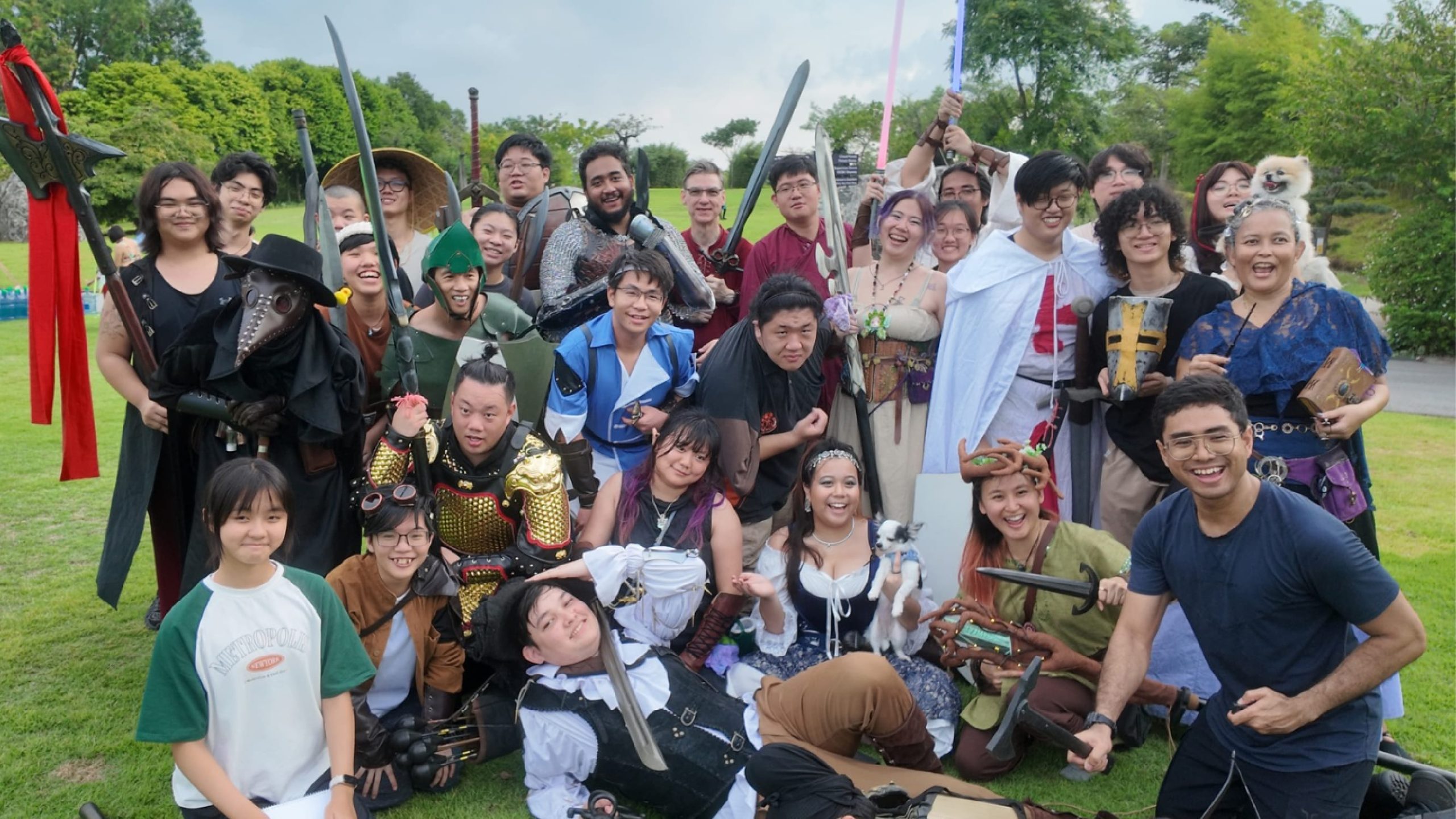
Singapore’s events scene has welcomed a unique newcomer with the debut of Singapore Renaissance fair (Ren Faire SG: The Origins) at Fort Canning Park. Held on January 31 and February 1, this fantasy-themed Renaissance fair introduced Singaporeans to a medieval-inspired world filled with knights, samurai, fairies, and imaginative characters. The event blended historical inspiration with fantasy elements, offering visitors an immersive cultural experience unlike typical festivals or cosplay conventions.
Renaissance fairs are popular in Europe and North America, where they recreate medieval villages with costumed performers, themed food, crafts, and live entertainment. Bringing this concept to Singapore reflects a growing interest in experiential events, fantasy culture, and interactive storytelling.
Singaporeans Embrace Fantasy and Creative Expression

One of the most striking aspects of Ren Faire SG was the level of participation from attendees. Visitors arrived in elaborate costumes inspired by medieval Europe, fantasy novels, and role-playing games. Rather than focusing on exact character replicas, the event encouraged creative freedom. Participants could dress as peasants, nobles, mythical creatures, or original fantasy personas.
This open-ended approach helped lower the barrier to entry and made the event accessible to newcomers. It also highlighted a shift in Singapore’s cultural landscape, where people are increasingly willing to express themselves creatively in public spaces. The presence of families, students, hobbyists, and even pets in themed outfits demonstrated broad interest across age groups and communities.
The Role of Live Action Roleplay and Immersive Entertainment
Ren Faire SG was more than a costume event. It incorporated elements of live action roleplay, interactive quests, sword-fighting tournaments, themed performances, and marketplace stalls. Vendors sold handmade accessories, props, costumes, and fantasy-themed merchandise, allowing visitors to enhance their experience on-site.
Live performances, including medieval-inspired music and staged battles, created a dynamic atmosphere. Audience engagement was encouraged, reflecting historical Renaissance fair traditions where spectators interacted with performers. This participatory format transformed visitors from passive spectators into active participants, which is a key trend in modern experiential entertainment.
A Marketplace of Fantasy and Craft Culture
The fair’s marketplace featured over 70 vendors offering crafts, costumes, accessories, and themed items. This marketplace culture mirrors global trends in fandom-driven creative economies, where independent creators sell handmade goods and niche products directly to consumers.
Such events provide a platform for small businesses, artisans, and creators to connect with audiences who value originality and craftsmanship. For Singapore, this represents an opportunity to support local creative industries while tapping into global fandom communities such as fantasy literature, role-playing games, and historical reenactment.
Why Renaissance Fairs Are Gaining Popularity
The rise of fantasy-themed events can be linked to broader cultural shifts. Popular media franchises such as Game of Thrones, The Lord of the Rings, and Dungeons and Dragons have mainstreamed fantasy aesthetics. Social media platforms have also encouraged costume culture, cosplay, and immersive storytelling, making themed events more appealing and shareable.
Additionally, younger audiences increasingly seek experiences rather than traditional entertainment. Immersive events provide social interaction, creative expression, and memorable content for digital platforms. Renaissance fairs combine entertainment, education, and community-building, making them attractive to diverse audiences.
Singapore’s Growing Appetite for Experiential Events
Singapore Renaissance fair reflects Singapore’s evolving events landscape. Beyond concerts and food festivals, there is rising demand for themed, interactive, and community-driven experiences. Events like fantasy fairs, immersive exhibitions, and pop culture conventions cater to audiences seeking novelty and participation.
Fort Canning Park provided a suitable setting, blending historical architecture with greenery to enhance the medieval atmosphere. Ticket prices starting from S$16 also made the event accessible, encouraging first-time visitors to explore the concept.
Cultural Impact and Community Building
Singapore Renaissance fair foster communities built around shared interests in fantasy, history, and creative expression. Attendees often collaborate on costumes, role-playing, and storytelling, forming social networks beyond the event itself.
In Singapore, where public self-expression is sometimes perceived as reserved, the success of Ren Faire SG suggests a growing openness to playful and imaginative cultural activities. Events like this can contribute to a more diverse cultural scene and encourage cross-cultural creativity.
The Future of Fantasy and Renaissance Events in Singapore
The positive reception of Singapore Renaissance fair indicates potential for future editions and similar themed festivals. As experiential entertainment continues to grow, organisers may expand programming with workshops, competitions, theatrical performances, and educational content about medieval history and fantasy storytelling.
Brands and sponsors may also see opportunities to engage audiences through themed activations and immersive marketing. For tourism and local culture, such events can attract niche communities and international visitors interested in fantasy culture and creative festivals.
Conclusion
Singapore Renaissance fair (Ren Faire SG: The Origins) marks an important milestone in Singapore’s event and cultural landscape. By blending fantasy, history, cosplay, and immersive entertainment, it showcased Singaporeans’ enthusiasm for creative expression and experiential festivals. The event demonstrated that there is a strong appetite for fantasy-themed experiences and community-driven cultural activities. As Singapore continues to diversify its entertainment offerings, Renaissance fairs and similar immersive events could become a recurring feature in the city’s cultural calendar.