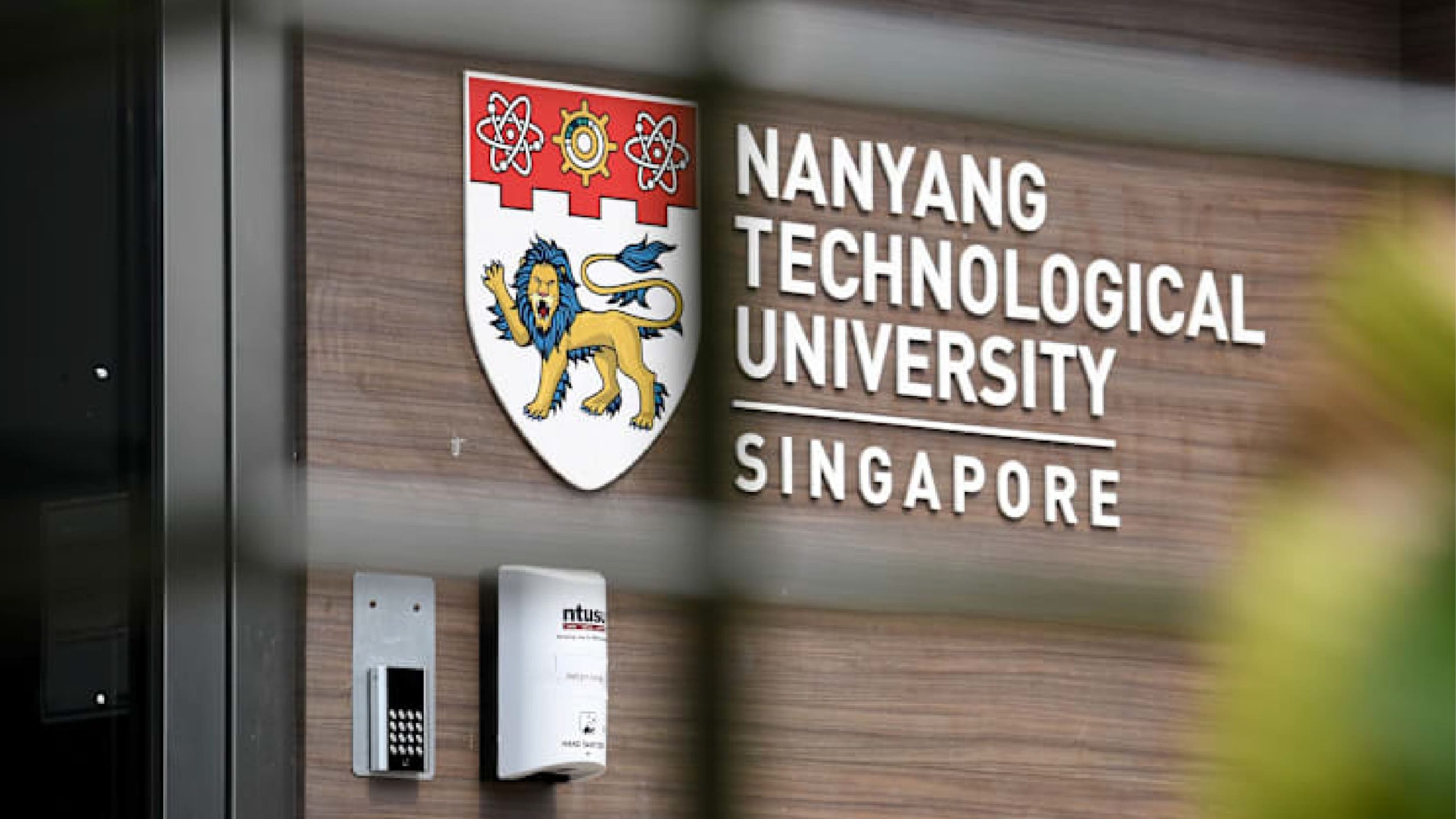
Nanyang Technological University has announced a major shift in its academic strategy by integrating artificial intelligence into its curriculum and providing all students with access to premium AI tools developed by Google. This initiative marks a significant step toward preparing students for an increasingly digital and AI driven global economy.
Under this plan, the university aims to embed AI into 40 percent of its courses by 2030, a substantial increase from the current 5 percent. The move reflects a broader trend in higher education where institutions are incorporating advanced technologies into teaching, research, and learning processes.
Overview of the AI Curriculum Transformation
The curriculum overhaul at Nanyang Technological University focuses on integrating AI tools into multiple disciplines rather than limiting them to computer science or engineering programs.
Key components of the initiative include:
Access to premium Google AI tools for all students
Integration of AI into non technical subjects such as business, humanities, and social sciences
Expansion of interdisciplinary learning models
Focus on real world applications of artificial intelligence
This transformation aims to ensure that graduates are equipped with practical AI skills that can be applied across industries.
Why NTU Is Expanding AI Integration
The decision to scale AI adoption is driven by several factors.
First, artificial intelligence is rapidly transforming industries such as finance, healthcare, manufacturing, and marketing. Employers increasingly expect graduates to possess basic AI literacy regardless of their field of study.
Second, Singapore’s national strategy emphasizes digital transformation and innovation. Universities play a key role in developing talent that aligns with economic priorities.
Third, AI tools are becoming more accessible and user friendly, making it feasible to integrate them into a wide range of academic programs.
For insights into global AI trends, resources such as https://www.mckinsey.com/capabilities/quantumblack/our-insights provide research on AI adoption across industries.
Role of Google AI Tools in Education
The collaboration with Google enables students at Nanyang Technological University to access advanced AI capabilities that were previously limited to professionals or researchers.
These tools may include:
AI assisted writing and research support
Data analysis and visualization tools
Machine learning platforms
Generative AI applications
By incorporating these tools into coursework, students can gain hands on experience in using AI to solve real world problems.
More information about Google’s AI initiatives can be found at https://ai.google.
AI Integration Across Disciplines
One of the most notable aspects of NTU’s strategy is the expansion of AI beyond traditional technical fields.
Business and Finance
Students may use AI tools for data analysis, financial modeling, and market research.
Humanities and Social Sciences
AI can support research, language processing, and content creation.
Engineering and Technology
Advanced applications such as machine learning, robotics, and automation remain core components.
Healthcare and Life Sciences
AI is increasingly used in diagnostics, medical research, and patient data analysis.
This interdisciplinary approach ensures that AI skills are relevant across various career paths.
Timeline and Targets for 2030
Currently, AI is integrated into approximately 5 percent of courses at Nanyang Technological University. The university aims to increase this to 40 percent by 2030.
This gradual expansion allows time for:
Curriculum redesign
Faculty training
Technology infrastructure upgrades
Development of new course materials
The phased approach ensures that the quality of education is maintained while adopting new technologies.
Benefits for Students
The introduction of AI tools offers several advantages for students.
Enhanced learning efficiency through AI assisted research
Improved problem solving skills using data driven approaches
Greater employability in AI driven industries
Exposure to real world applications of emerging technologies
Students will also gain familiarity with tools that are increasingly used in professional environments.
Challenges and Considerations
While the initiative presents significant opportunities, it also introduces challenges.
Faculty members need training to effectively integrate AI into teaching.
Students must learn to use AI responsibly and avoid over reliance.
Ethical considerations such as data privacy and academic integrity must be addressed.
Educational institutions must balance technological innovation with critical thinking and independent learning.
Comparison with Global Education Trends
The move by Nanyang Technological University aligns with global trends in higher education.
Universities worldwide are exploring AI integration to enhance learning outcomes and remain competitive. Institutions in the United States, Europe, and Asia are investing in digital transformation and AI research.
Reports from organizations such as https://www.weforum.org highlight the growing importance of AI skills in the future workforce.
Internal and External Learning Resources
Students and educators can supplement AI learning through various platforms.
Online courses from providers such as https://www.coursera.org offer AI and machine learning programs.
Technical documentation and tutorials from https://developers.google.com provide hands on learning resources.
These resources complement formal education and support continuous skill development.
Impact on Singapore’s Education Landscape
The initiative by Nanyang Technological University is expected to influence other institutions in Singapore.
As one of the country’s leading universities, NTU’s approach may set a benchmark for AI integration in higher education. Other universities may adopt similar strategies to remain competitive and align with national digital transformation goals.
This shift could lead to a broader transformation of Singapore’s education system, emphasizing technology driven learning.
Conclusion
Nanyang Technological University is taking a significant step toward the future of education by integrating AI into its curriculum and providing students with access to advanced tools from Google. With a target of embedding AI into 40 percent of courses by 2030, the university is positioning itself at the forefront of digital learning innovation.
This initiative not only enhances the academic experience but also prepares students for a rapidly evolving job market where AI skills are increasingly essential. By combining technological access with curriculum reform, NTU is shaping a new model for higher education in Singapore and beyond.