The cost of living in Singapore in 2026 continues to be a critical consideration for expatriates, permanent residents, and locals planning relocation or long-term financial strategies. As a global business hub in Southeast Asia, Singapore offers political stability, strong currency, world-class infrastructure, and efficient public services. However, these benefits come with relatively high monthly expenses compared to neighboring cities such as Kuala Lumpur and Jakarta.
This guide of cost of living in Singapore provides a detailed and structured breakdown of monthly expenses, housing comparisons, regional cost benchmarks, and realistic budget simulations to support informed decision-making.
Why the Cost of Living in Singapore Remains High
Singapore’s limited land supply, strong currency, and global investment appeal contribute to high housing prices and rental rates. In addition, imported goods, private healthcare for foreigners, and vehicle ownership significantly increase overall living expenses.
However, average salaries in Singapore are generally higher than in many Southeast Asian cities, partially offsetting the elevated costs.
For official housing regulations and eligibility rules, refer to the Housing and Development Board at https://www.hdb.gov.sg and work pass guidelines at https://www.mom.gov.sg.
Monthly Expense Breakdown in Singapore 2026
Understanding the major expense categories is essential when calculating the cost of living in Singapore.
1. Rent in Singapore
Housing is the largest contributor to monthly expenses.
Estimated rental ranges in 2026:
HDB 3-room flat: SGD 2,800 to 3,500
HDB 4-room flat: SGD 3,200 to 4,200
Condominium 1-bedroom: SGD 3,800 to 5,500
Condominium 2-bedroom: SGD 5,000 to 7,500
Co-living private room: SGD 1,500 to 2,500
Location, proximity to MRT stations, and amenities significantly influence pricing. Central areas such as Orchard and Marina Bay command higher rents compared to suburban estates.
2. Utilities and Internet
Utilities include electricity, water, gas, and broadband services.
Estimated monthly utilities:
Single or couple: SGD 150 to 220
Family of four: SGD 280 to 400
Internet broadband: SGD 40 to 60
Electricity costs rise significantly with daily air conditioning usage.
3. Transportation
Singapore has an efficient public transport system operated by companies such as SMRT and SBS Transit.
Estimated transport costs:
Public transport monthly spending: SGD 100 to 150
Ride-hailing occasional use: SGD 100 to 300
Private car ownership: SGD 1,500 to 2,500 including COE, insurance, fuel, and parking
Car ownership dramatically increases the cost of living in Singapore due to the Certificate of Entitlement system. More information is available at https://www.lta.gov.sg.
4. Food and Groceries
Food expenses vary based on lifestyle.
Hawker-focused lifestyle: SGD 400 to 700 per person
Mixed dining lifestyle: SGD 800 to 1,200 per person
Family grocery budget: SGD 800 to 1,200
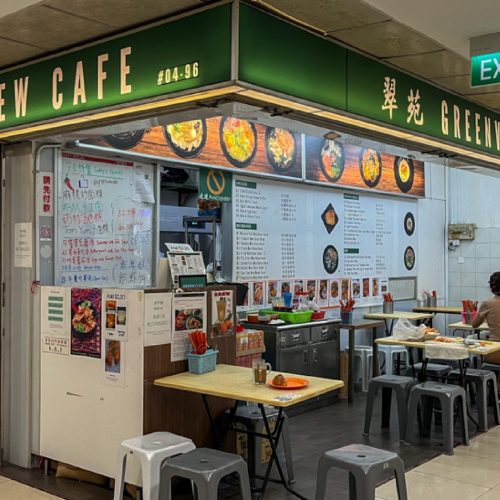
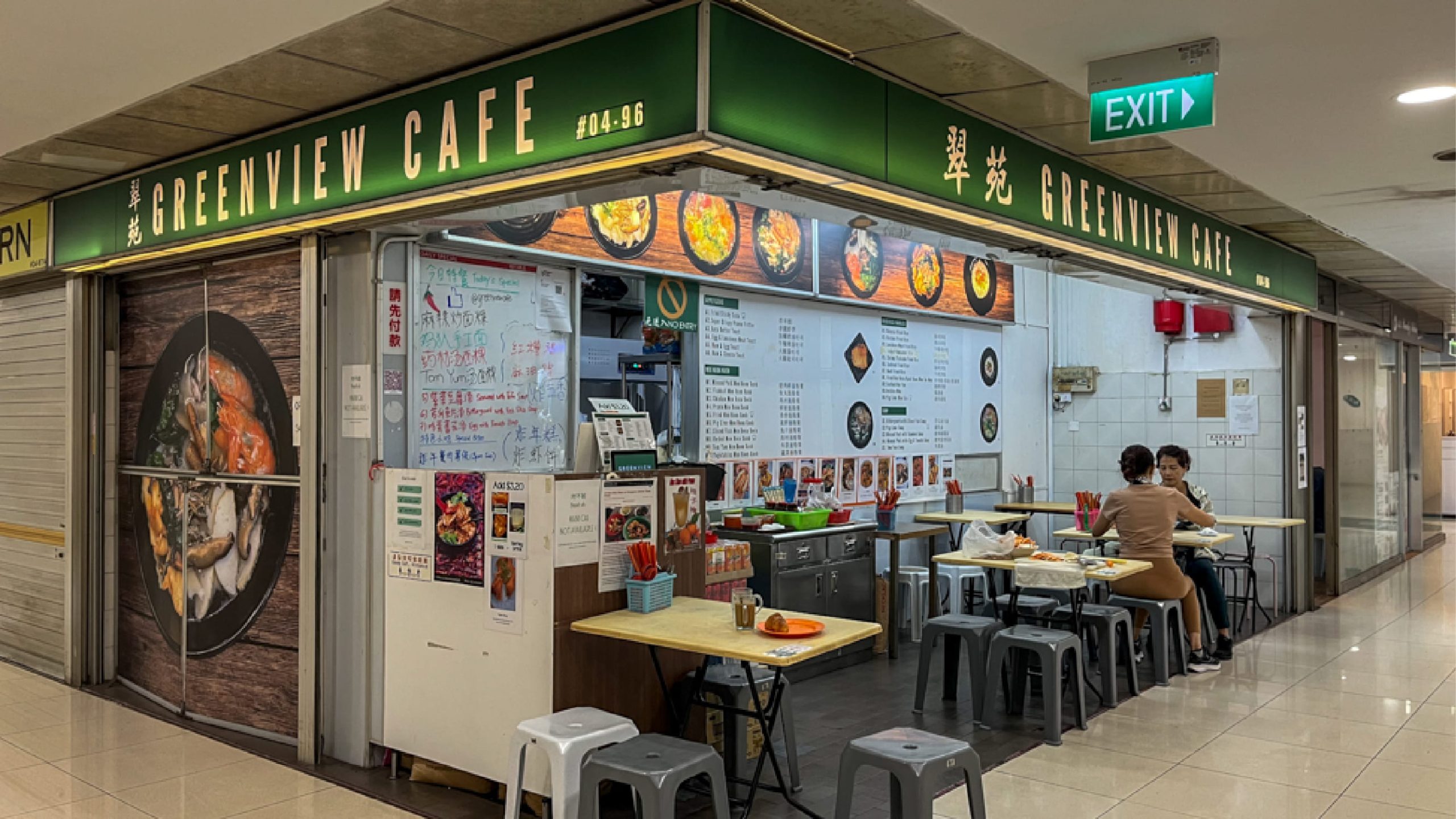
Eating regularly at hawker centres helps maintain manageable monthly expenses compared to frequent restaurant dining.
5. Health Insurance
Healthcare quality in Singapore is high, but private insurance for foreigners can be expensive.
Residents using MediShield Life: SGD 100 to 300 monthly equivalent
Private expat insurance plans: SGD 250 to 600 monthly
Insurance is essential for relocation planning to avoid unexpected medical expenses.
Housing Comparison: HDB vs Condo vs Co-Living
Choosing the right housing type directly affects the overall cost of living in Singapore.
HDB Flats
Advantages
Lower rental costs
Strong community environment
Suitable for families
Limitations
Restrictions for foreigners on purchase
Fewer luxury facilities
Condominiums
Advantages
Facilities such as swimming pools and gyms
Popular among expatriates
Enhanced security
Limitations
Higher rental prices
Maintenance fees
Co-Living Spaces
Advantages
Flexible lease terms
Fully furnished units
Ideal for short-term stays
Limitations
Shared facilities
Limited privacy
Housing choice should align with employment stability, family size, and long-term residency plans.
Cost Comparison: Singapore vs Kuala Lumpur vs Jakarta
To understand regional affordability, consider average monthly expenses for a single professional.
Singapore: SGD 3,500 to 5,500
Kuala Lumpur: SGD 1,500 to 2,500 equivalent
Jakarta: SGD 1,200 to 2,200 equivalent
Key differences:
Rent in Singapore is approximately two to three times higher than in Kuala Lumpur or Jakarta.
Vehicle ownership in Singapore is significantly more expensive.
Groceries and imported goods cost more in Singapore.
Healthcare standards are generally higher in Singapore.
However, Singapore offers higher median salaries and stronger currency stability.
For regional statistics, refer to official portals such as https://www.dosm.gov.my for Malaysia and https://www.bps.go.id for Indonesia.
Cost of Living in Singapore Budget Simulation Tables 2026
Single Professional Budget
Rent shared accommodation: SGD 1,800
Utilities: SGD 180
Transport: SGD 120
Food: SGD 600
Insurance: SGD 300
Miscellaneous: SGD 400
Total: SGD 3,400 per month
Couple Without Children
Condo 1-bedroom rent: SGD 4,500
Utilities: SGD 220
Transport: SGD 250
Food: SGD 1,200
Insurance: SGD 600
Miscellaneous: SGD 800
Total: SGD 7,570 per month
Family of Four
HDB 4-room rent: SGD 3,800
Utilities: SGD 350
Transport: SGD 400
Food and groceries: SGD 1,200
Insurance: SGD 1,000
Child expenses and enrichment: SGD 1,500
Miscellaneous: SGD 1,000
Total: SGD 9,250 per month
These simulations reflect moderate lifestyle assumptions in 2026.
Tips to Reduce the Cost of Living in Singapore Legally and Efficiently
-
Use public transport instead of owning a private vehicle.
-
Choose housing near MRT stations to reduce transport expenses.
-
Compare rental listings across multiple property platforms.
-
Limit air conditioning usage to reduce electricity bills.
-
Take advantage of supermarket promotions and bulk buying.
-
Review insurance plans annually for cost efficiency.
-
Consider long-term leases to negotiate lower monthly rent.
-
Explore government grants if eligible through official portals.
Financial discipline and lifestyle adjustments can significantly reduce monthly spending.
Conclusion
The cost of living in Singapore in 2026 remains high compared to neighboring capitals, primarily driven by housing and vehicle ownership expenses. However, Singapore continues to offer strong employment opportunities, a stable financial environment, and high-quality public services.
For expats, PRs, and locals planning relocation or lifestyle upgrades, detailed budgeting and realistic expectations about cost of living in Singapore are essential. By understanding monthly expense breakdowns and comparing housing options carefully, you can manage living expenses effectively and build long-term financial stability in Singapore.
Regularly reviewing updated figures ensures your relocation or financial planning aligns with current market conditions.