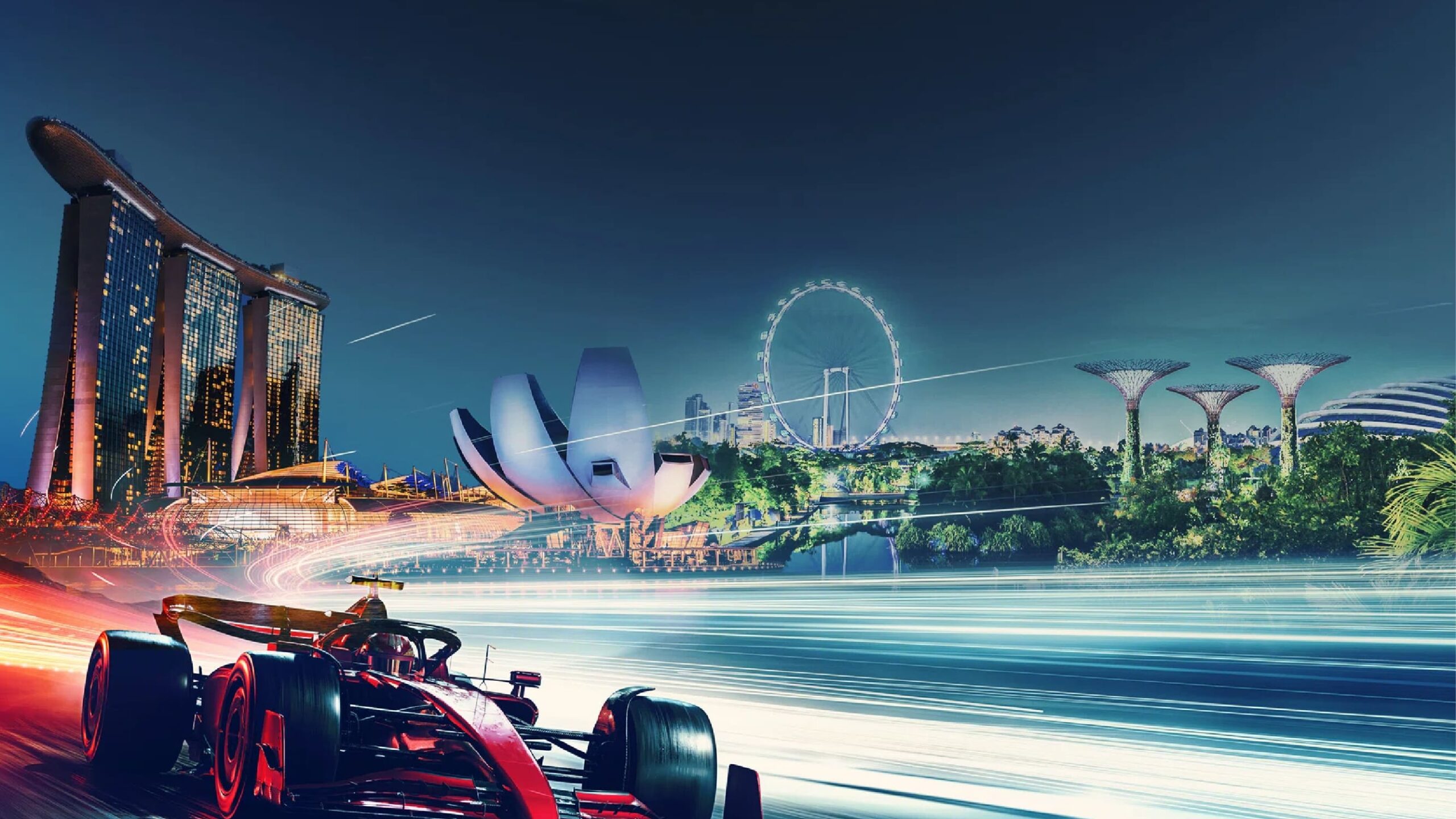
When the Marina Bay circuit first lit up in 2008, the Singapore Grand Prix made history as Formula 1’s first ever night race. What began as a bold experiment soon became one of the most iconic events on the F1 calendar. Seventeen years later, the event is still seen as one of the jewels of the sport. Yet, with more countries hosting their own night races, the question arises: can Singapore continue to lead the pack?
The Origins of a Night Racing Pioneer
The inaugural race in 2008 showcased more than just fast cars. Against the glittering skyline, fans were treated to an entertainment extravaganza that included international concerts, club stages, and a taste of local cuisine. This model transformed the perception of what an F1 weekend could be, turning it into a festival that appealed to far more than motorsport enthusiasts.
The government invested heavily to bring the concept to life, covering about 60 percent of the reported S$150 million cost in the early years. Over time, this cost has reduced slightly, but the payoff has been enormous in terms of global exposure and tourism revenue.
Competition on the Horizon
Since Singapore’s debut, five other night races have joined the F1 calendar. Abu Dhabi followed closely with its evening finale in 2009, Bahrain switched to night racing in 2014, while Saudi Arabia and Qatar joined in 2021. Las Vegas added its name in 2023 with a high-profile debut that captured global attention.
Each of these venues brings its own style and spectacle, backed by significant financial investment. Hosting fees vary, with Singapore estimated to pay around US$35 million annually. By comparison, Abu Dhabi and Bahrain contribute US$40 million and US$45 million respectively, while Qatar and Saudi Arabia reportedly pay about US$55 million each. Las Vegas is unique, as Liberty Media itself promotes the event and bears the financial risk.
How Singapore Stands Apart
Despite growing competition, Singapore continues to stand out. The Marina Bay Street Circuit may have the shortest race distance among the night races, at just over 306 kilometers, but it is known for being the longest in terms of duration due to its technical layout and tight turns. This gives the race an added challenge and drama that fans and drivers appreciate.
Hospitality has also been a defining factor. Paddock Club tickets in Singapore are among the most expensive in the world, yet they remain in high demand. Attendance has consistently been strong, with 269,000 fans recorded in the most recent edition, rivaling even Las Vegas, which drew over 300,000.
Industry experts credit Singapore with creating the blueprint for what an F1 night race should be: a sporting spectacle that doubles as an international lifestyle event.
The Economic Impact of the Singapore Grand Prix
The race is not just about motorsport; it has become a vital driver for Singapore’s economy. According to the Ministry of Trade and Industry, the event contributes about S$130 million in net spending each year. Between 2008 and 2024, the race has generated S$2.2 billion from approximately 720,000 international visitors.
Hotels also benefit significantly. Research shows that revenue per available room during race weekends jumped from S$448 in the years before the pandemic to S$557 in recent editions. The average daily rate climbed to S$645, reflecting strong demand despite a slight dip in occupancy levels.
More Than Just a Race
What sets Singapore apart is its ability to seamlessly integrate the Grand Prix into the city’s identity. The event is closely tied to the nation’s broader strategy of branding itself as a vibrant and safe hub for international business and leisure. High-profile conferences, forums, and corporate events are often scheduled around race weekend, amplifying its impact.
This clustering effect makes the Singapore Grand Prix not just a sporting highlight, but a cornerstone of the country’s economic and cultural calendar.
Looking Ahead to the Future
The contract for the Singapore Grand Prix currently runs until 2028, with the next edition set for October 3 to 5, 2025. Organizers are planning an even more dynamic schedule, including a sprint race on Saturday, October 20, which will replace one of the traditional practice sessions.
Entertainment remains central to the experience, with global music acts such as Elton John, Foo Fighters, and G-Dragon lined up for upcoming editions. These elements ensure that the Singapore Grand Prix continues to attract a broad audience, from motorsport fans to lifestyle seekers.
Conclusion: Still the Leader of the Pack?
While rivals like Abu Dhabi, Bahrain, Qatar, Saudi Arabia, and Las Vegas continue to push boundaries, Singapore retains its edge through a mix of history, efficiency, and integration. Experts often point out that the city’s tightly controlled and well-orchestrated approach makes the event run more smoothly than elsewhere.
As Formula 1 grows in popularity and competition among hosts intensifies, Singapore is well-positioned to maintain its crown. Its unique blend of sport, entertainment, and economic impact ensures that, at least for now, the Marina Bay circuit remains the benchmark for all other night races.