Available at five major malls across Singapore, this promotion is expected to generate high foot traffic, especially among younger consumers and social media driven audiences. As with most limited time offers, availability is subject to stock, making early visits essential.
This article provides a complete overview of the promotion, including participating locations, timing, and practical tips to maximize the experience.
Overview of the Cotton On Free Matcha Promotion
The Cotton On campaign offers complimentary matcha beverages to customers visiting selected outlets in Singapore. The drinks will be distributed during a fixed time window over the weekend.
Promotion details:
Dates: April 4 and April 5
Time: 3pm to 5pm daily
Offer: Free matcha drinks while stocks last
Locations: Five selected shopping malls in Singapore
The promotion aligns with experiential retail strategies where brands combine lifestyle elements such as food and beverages with fashion shopping.
Participating Cotton On Store Locations in Singapore
The free matcha giveaway will be available at the following malls:
VivoCity
313@Somerset
NEX
Tampines Mall
Jem
These malls are strategically located across different regions, making the promotion accessible to a wide audience.
For detailed directions and mall information, you can refer to:
https://www.vivocity.com.sg
https://www.313somerset.com.sg
https://www.nex.com.sg
https://www.tampinesmall.com.sg
https://www.jem.sg
Why Cotton On Is Running This Promotion
Cotton On is known for targeting young, trend conscious consumers. Promotions like free matcha giveaways serve multiple strategic purposes.
First, they increase foot traffic to physical retail stores, which is crucial in an era where online shopping dominates.
Second, they enhance brand engagement by creating memorable in store experiences.
Third, they encourage social media sharing, as visually appealing drinks such as matcha are highly popular on platforms like Instagram and TikTok.
This approach reflects a broader retail trend where brands integrate lifestyle elements into shopping environments.
What Makes Matcha a Popular Choice
Matcha has become a widely recognized beverage among urban consumers due to its perceived health benefits and aesthetic appeal.
It is made from finely ground green tea leaves and is known for:
Antioxidant content
Smooth, earthy flavor
Association with wellness trends
In Singapore, matcha based drinks are commonly found in cafes and specialty beverage shops. By offering matcha, Cotton On aligns itself with current consumer preferences.
For more insights into matcha trends, you can read this guide at https://www.healthline.com/nutrition/top-10-evidence-based-health-benefits-of-green-tea.
Tips to Redeem Free Matcha Successfully
Since the promotion is limited by stock availability, visitors should plan carefully.
Arrive early within the 3pm to 5pm window
Visit less crowded malls if possible
Check store queues before joining
Follow any in store instructions for redemption
High traffic locations such as VivoCity and 313@Somerset may experience faster stock depletion due to heavier crowds.
Impact on Retail and Consumer Behavior
Promotions like this highlight evolving consumer expectations in retail environments.
Shoppers today are not only looking for products but also experiences. Free giveaways, pop up events, and interactive campaigns help brands differentiate themselves in competitive markets.
Cotton On is leveraging this trend by combining fashion retail with lifestyle engagement.
Such strategies are particularly effective in urban centers like Singapore, where shopping malls serve as social and entertainment hubs.
Internal and External Shopping Resources
If you are planning to explore more promotions or shopping experiences in Singapore, consider browsing related retail and lifestyle guides.
You can check general shopping tips and mall directories at https://www.visitsingapore.com
For fashion retail trends, resources like https://www.businessoffashion.com provide industry insights.
These resources can help you stay updated on upcoming promotions and retail developments.
Is the Promotion Worth Visiting
For consumers, the value of this promotion extends beyond the free drink.
It offers an opportunity to explore new collections at Cotton On stores, enjoy a lifestyle experience, and participate in a limited time event.
However, expectations should be realistic, as stock limitations mean not all visitors may receive the free matcha.
Planning ahead and arriving early significantly increases the chances of redemption.
Conclusion
The Cotton On free matcha promotion in Singapore represents a strategic blend of retail marketing and consumer engagement. By offering complimentary beverages at key mall locations, the brand is attracting attention, increasing foot traffic, and enhancing the overall shopping experience.
With availability limited to April 4 and April 5 from 3pm to 5pm, visitors are encouraged to plan their trips carefully to take full advantage of the offer.
As retail continues to evolve, campaigns like this demonstrate how brands can connect with consumers through creative and experiential marketing approaches.
]]>The certification comes approximately five years after the brand implemented a no pork, no lard policy in Singapore. Now, with full recognition from Majlis Ugama Islam Singapura, Paris Baguette reinforces its commitment to inclusivity in one of the world’s most multicultural cities.
What Halal Certification Means for Customers
Halal certification in Singapore ensures that food preparation, sourcing, handling, and storage processes comply with Islamic dietary requirements. For consumers, especially within Singapore’s Muslim community, this certification provides assurance and trust.
With all outlets now reflected as halal-certified in the official directory, customers can enjoy Paris Baguette Singapore’s menu items without concern. This milestone broadens the brand’s customer base and strengthens its presence in Singapore’s competitive bakery and cafe market.
Popular Menu Items Now Accessible to More Diners
With halal certification in place, more customers can indulge in Paris Baguette Singapore’s signature products. These include its well-loved Best Ever Garlic Bread, Fresh Yogurt Cream Cakes, and a selection of savoury meat sandwiches.
Paris Baguette is known for blending French-inspired baking techniques with Korean creativity. The result is a diverse menu that appeals to families, students, professionals, and tourists alike. The halal status ensures that these offerings are now accessible to an even wider audience.
New Launch: K-Lava Tteokbokki Pastry Tart
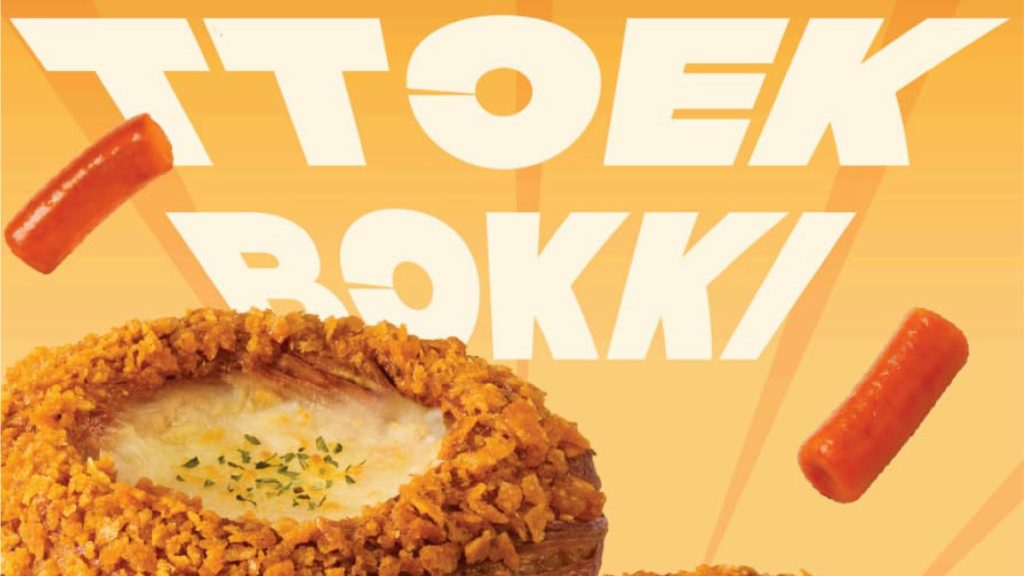
To celebrate the halal milestone, Paris Baguette Singapore is introducing a new product, the K-Lava Tteokbokki Pastry Tart. This innovative creation combines smoky cheese, white cheddar, chewy rice cake, gochujang mayonnaise, and buttery pastry crumble.
The launch reflects the brand’s Korean roots while catering to Singapore’s growing appetite for Korean-inspired flavours. By merging traditional tteokbokki elements with a pastry format, Paris Baguette continues to innovate within the bakery segment.
Leadership Perspective on Inclusivity and Growth
According to regional leadership, achieving halal certification aligns with Paris Baguette’s broader vision of inclusivity and community connection. Singapore’s multicultural identity makes it an important market for brands that prioritise diversity and accessibility.
By going halal, Paris Baguette Singapore not only expands its customer reach but also demonstrates cultural sensitivity. This strategic move strengthens brand trust and long-term loyalty, especially among families seeking inclusive dining options.
From South Korea to a Global Bakery Powerhouse
Paris Baguette was first launched in South Korea in 1988. Over the decades, it has grown into a global bakery-cafe brand with more than 4,000 outlets worldwide.
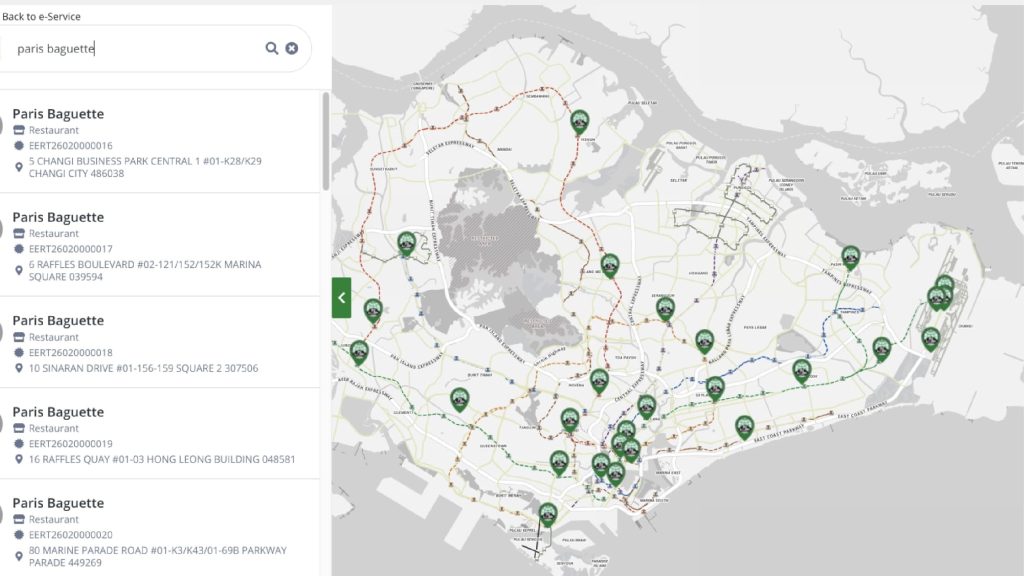
The brand entered Singapore in 2012 with its first outlet at Wisma Atria. Since then, it has expanded to over 20 locations across the island, including popular destinations such as VivoCity and Jewel Changi Airport.
This steady growth highlights strong consumer demand and the brand’s ability to adapt to local preferences while maintaining its global identity.
Strategic Expansion Across Southeast Asia and Beyond
Beyond Singapore, Paris Baguette has expressed intentions to expand its halal-certified footprint across Southeast Asia. The brand is also exploring new opportunities in the Middle East, a region with strong demand for halal-certified international brands.
This expansion strategy positions Paris Baguette as a forward-looking global player that recognises the importance of catering to diverse consumer markets. Halal certification is not merely a compliance step but a strategic growth lever in emerging and established markets alike.
Why This Matters for Singapore’s F and B Landscape
Singapore’s food and beverage industry thrives on diversity. Consumers expect international brands to adapt to local cultural and religious contexts. Paris Baguette’s halal certification sets a benchmark for other global bakery and cafe chains operating in the region.
By aligning its operations with local dietary standards, the brand enhances its competitive advantage and strengthens its market positioning. This move may also influence other international bakery brands to consider similar certification pathways.
Conclusion: A New Chapter for Paris Baguette Singapore
The halal certification of all Paris Baguette Singapore outlets represents more than regulatory approval. It signifies inclusivity, strategic growth, and deeper community engagement.
With popular menu items now accessible to a broader audience and new Korean-inspired creations launching in celebration, Paris Baguette continues to evolve within Singapore’s dynamic F and B landscape.
As the brand expands regionally and globally, its commitment to quality, taste, and inclusivity remains central to its identity. For customers in Singapore, this milestone opens the door to enjoying Paris Baguette Singapore signature treats with greater confidence and convenience.
]]>With its first outlet overlooking the iconic Rain Vortex, Lotteria Singapore aims to attract both travellers and locals looking for a fresh take on burgers. Operated in partnership with the Katrina Group, the brand is expected to expand further in Singapore, signalling strong confidence in the local market.
A Brief History of Lotteria and Its Global Expansion
Lotteria first opened in South Korea in 1979, establishing itself as the country’s first modern quick-service burger restaurant. The brand quickly built a loyal following by adapting Western-style burgers to local tastes, introducing ingredients such as bulgogi sauce, shrimp patties, and Korean-inspired seasonings.
Today, Lotteria operates more than 1,600 outlets worldwide and has a strong presence across Asia. Singapore becomes its eighth overseas market, highlighting the city-state’s growing appetite for Korean cuisine and international fast-food brands.
Singapore-Exclusive Kimchi Bulgogi Burger
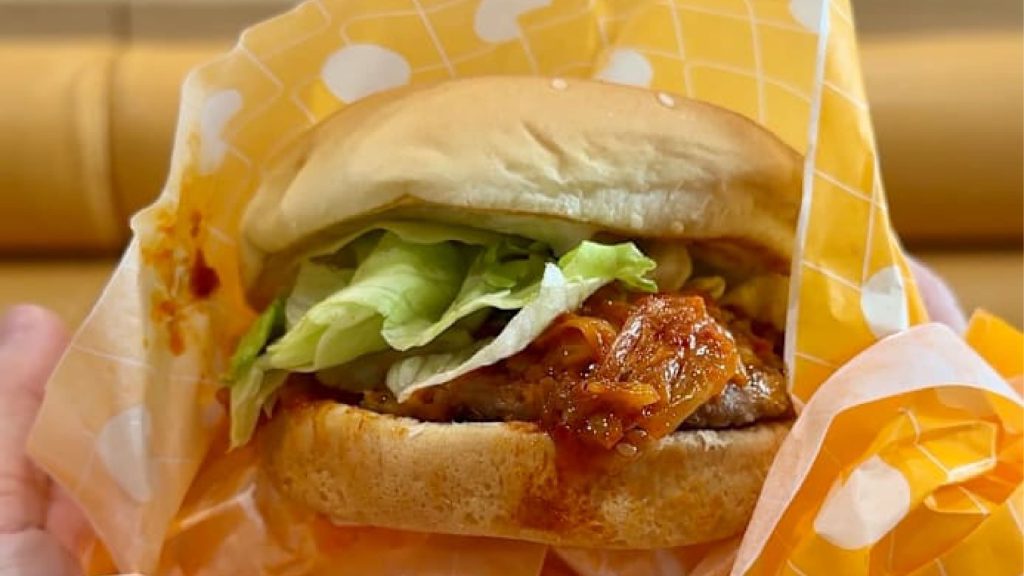
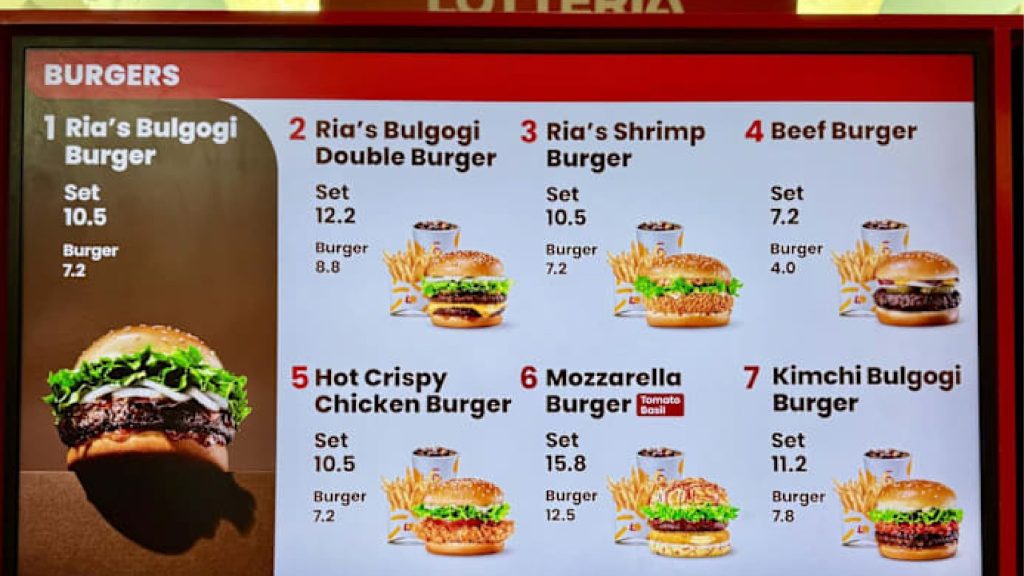
One of the biggest highlights of Lotteria Singapore is the Kimchi Bulgogi Burger, created exclusively for the local market. This burger features a beef patty glazed with sweet and savoury bulgogi sauce, topped with stir-fried kimchi that delivers a deeper, more mellow flavour profile.
The introduction of a kimchi-based burger reflects Singaporeans’ familiarity with Korean flavours and positions Lotteria as a pioneer among Korean fast-food brands entering the country. The Singapore-exclusive menu item is designed to appeal to both K-food fans and curious diners seeking a unique fusion burger experience.
Signature Lotteria Singapore Burgers to Try

Beyond the exclusive offering, Lotteria Singapore brings several signature burgers that have defined its reputation in South Korea and beyond.
The Ria’s Shrimp Burger is one of the brand’s most iconic items. Featuring a deep-fried shrimp patty paired with lettuce, onion, and creamy tartar and Thousand Island sauces, this burger has been a staple since the late 1970s. Its crunchy exterior and smooth interior texture make it a standout option for seafood lovers.
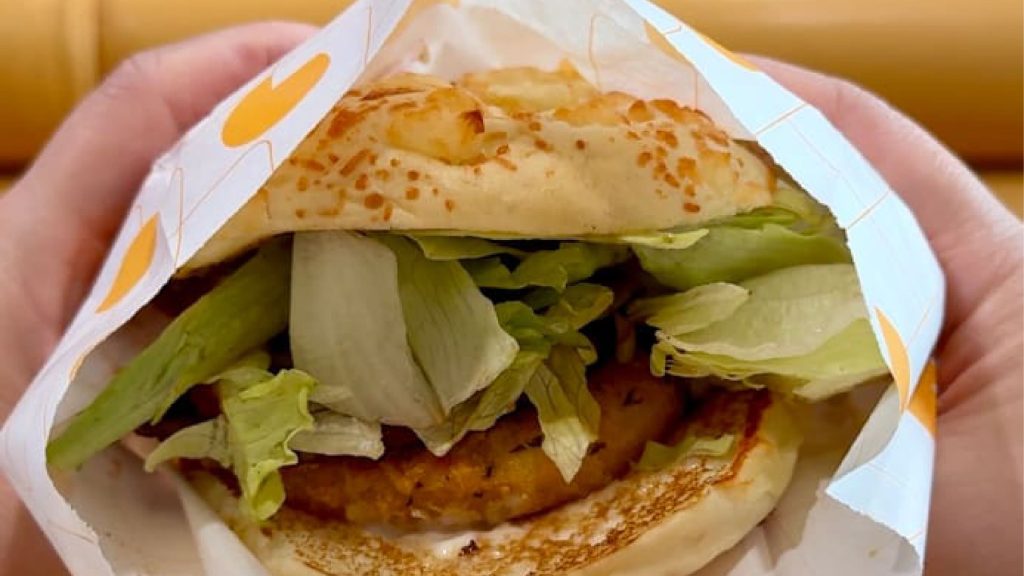
Another crowd favourite is the Mozzarella Burger Tomato Basil. This indulgent burger combines a fried mozzarella patty with a beef patty and tomato basil sauce, served in a brioche bun. Originally launched in collaboration with Culinary Class Wars Season 1 winner Kwon Sung-joon, also known as Napoli Matfia, the burger became a viral hit and sold hundreds of thousands of units in its first week.
For those who prefer sweeter flavours, the Ria’s Bulgogi Burger offers a beef patty coated in Lotteria’s signature bulgogi sauce, delivering a familiar Korean barbecue taste in burger form.
Sides, Desserts, and Korean-Inspired Add-Ons
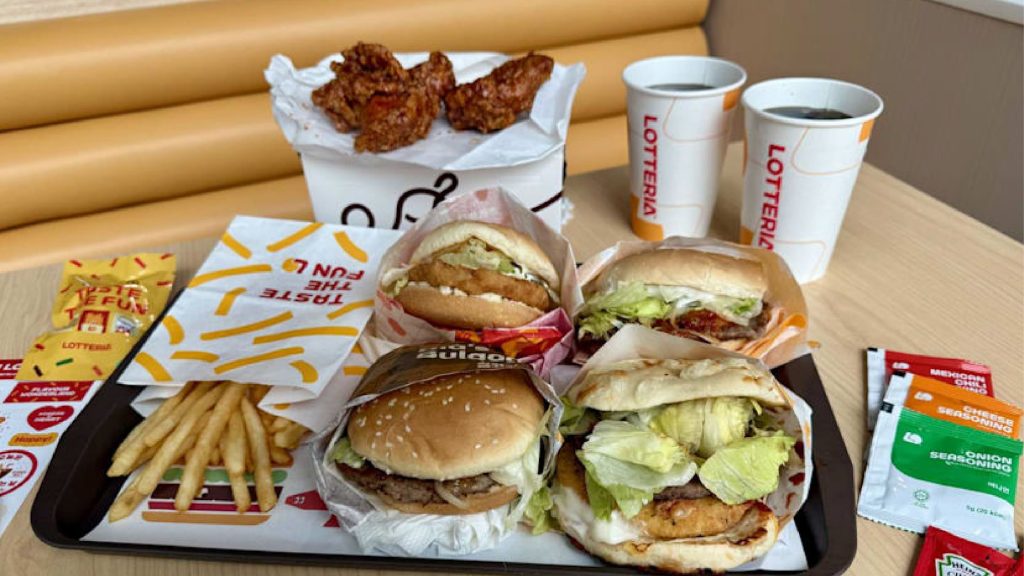
Lotteria Singapore’s menu goes beyond burgers, offering a range of sides and desserts that reflect both global fast-food trends and Korean snack culture. Diners can enjoy Long Cheese Sticks, Shake Shake Fries, and Shake Shake Nuggets with various seasoning options such as onion, cheese, and chilli.
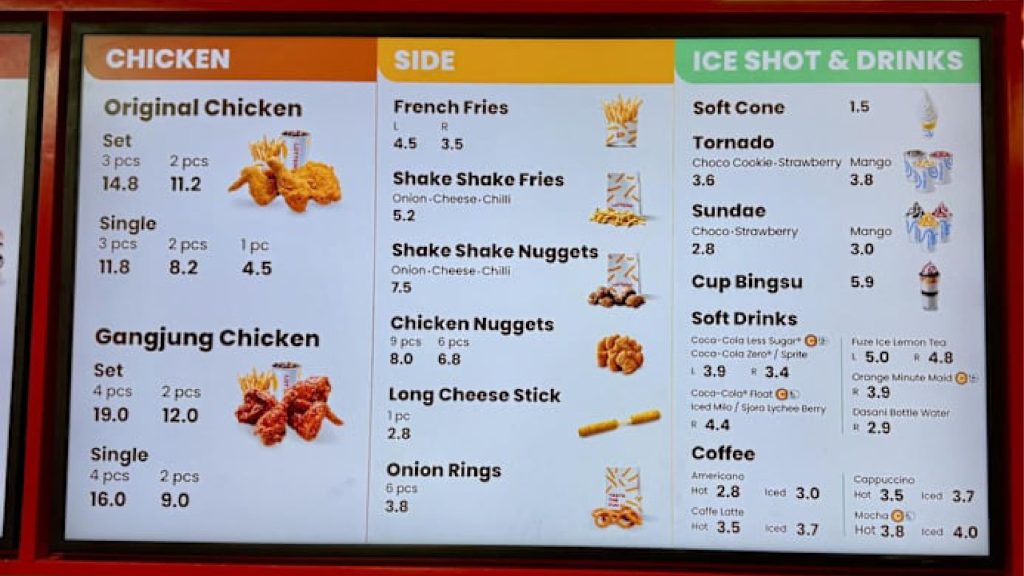
The outlet also serves fried chicken in Original and Gangjung flavours, catering to Singapore’s strong demand for Korean fried chicken. For dessert, customers can choose from soft serves, sundaes, and a Cup Bingsu topped with shaved ice, ice cream, red bean, strawberry syrup, and fruits.
These menu items position Lotteria as a versatile dining destination, appealing to both quick snack seekers and full-meal diners.
Limited-Edition Merchandise and Opening Promotions
To celebrate its Singapore launch, Lotteria is offering limited-edition keycap keychains featuring its iconic burger, Fun Fries, and mascot Loking. These collectibles are available as blind-bag gifts with set meal purchases while stocks last, tapping into the growing trend of branded food merchandise among younger consumers.
During the opening period, diners can also enjoy complimentary set meal upgrades, creating additional incentives for first-time visitors to try the brand.
Strategic Location at Jewel Changi Airport
Lotteria’s first Singapore outlet is strategically located at Jewel Changi Airport, a major lifestyle and tourism hub that attracts millions of visitors annually. The 60-seat dining space offers a view of the Rain Vortex, making it a visually appealing spot for both travellers and locals.
This location aligns with Lotteria’s positioning as a global fast-food brand while providing strong visibility and foot traffic. The partnership with the Katrina Group, which operates several established F-and-B brands in Singapore, further strengthens its operational and expansion strategy.
Future Expansion Plans in Singapore
Lotteria Singapore has plans to open additional outlets in Singapore within the next one to two years. The brand is actively exploring strategic locations to establish a wider footprint, indicating long-term commitment to the market.
With the growing popularity of Korean cuisine and the increasing demand for international fast-food concepts, Lotteria Singapore is well-positioned to compete in Singapore’s highly competitive dining scene.
Conclusion: A New Chapter for Korean Fast Food in Singapore
The arrival of Lotteria Singapore marks an exciting development for K-food lovers and burger enthusiasts. With a mix of exclusive local offerings, iconic Korean favourites, and innovative menu items, the brand brings a distinctive twist to Singapore’s fast-food landscape.
From the Singapore-exclusive Kimchi Bulgogi Burger to the indulgent Mozzarella Burger and classic Shrimp Burger, Lotteria Singapore offers a diverse menu that blends global fast-food familiarity with Korean culinary identity. Its strategic launch at Jewel Changi Airport and future expansion plans suggest that K-burgers are here to stay.
]]>Nya Nya serves classic Peranakan favourites such as nonya laksa, nasi kunyit, ayam tempra, and traditional kueh. The stall opened on January 1 and occupies a space previously held by a popular café brand, signalling the growing demand for heritage cuisine in modern food courts.
A Third-Generation Peranakan Family Business
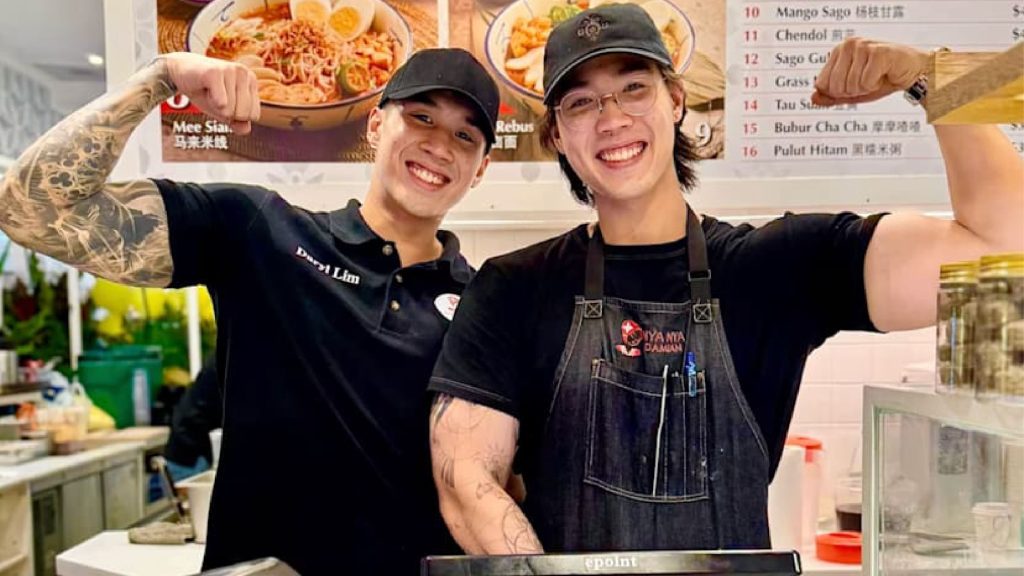
Behind Nya Nya are brothers Daryl Lim and Damian Lim, who represent the third generation of a family deeply rooted in Singapore’s Peranakan food scene. Their grandmother founded the family’s original Peranakan food kiosk in 1980, which later became a cult favourite among locals. Their father took over the business in the 1990s, and now the younger generation is expanding the family legacy with new concepts and locations.
The opening of Nya Nya marks a significant milestone for the family. After decades of operating a single kiosk, the family finally had enough manpower to expand, with all siblings contributing in different ways, from cooking and customer service to marketing and operations.
Social Media Buzz and Customer Curiosity
While the food is the main attraction, the brothers’ presence behind the counter has sparked widespread interest online. Customers frequently share photos and videos of the stall, and many visitors admit they discovered Nya Nya through social media content.
The viral attention highlights how modern F&B businesses can benefit from personality-driven branding and organic social media exposure. In today’s digital landscape, charismatic founders and visually appealing stalls can significantly boost foot traffic and brand recognition.
Signature Dishes That Keep Customers Coming Back
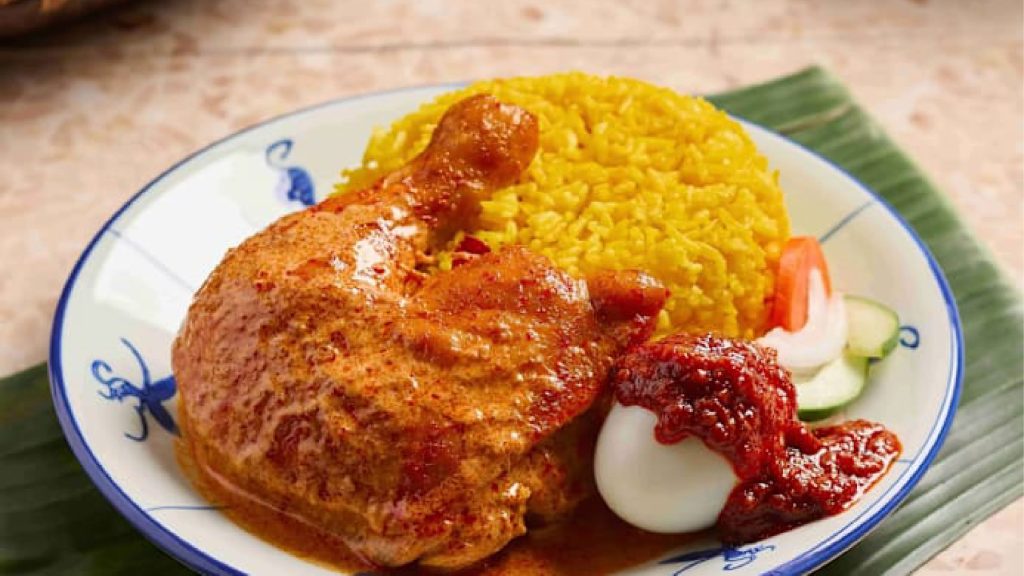
Nya Nya’s menu focuses on comforting Peranakan classics with strong nostalgic appeal. One of the most popular dishes is nasi kunyit, served with fragrant turmeric rice, curry chicken, and fresh salad. This dish is closely tied to the brothers’ childhood memories, as the aroma of turmeric rice was a staple in their family kitchen.
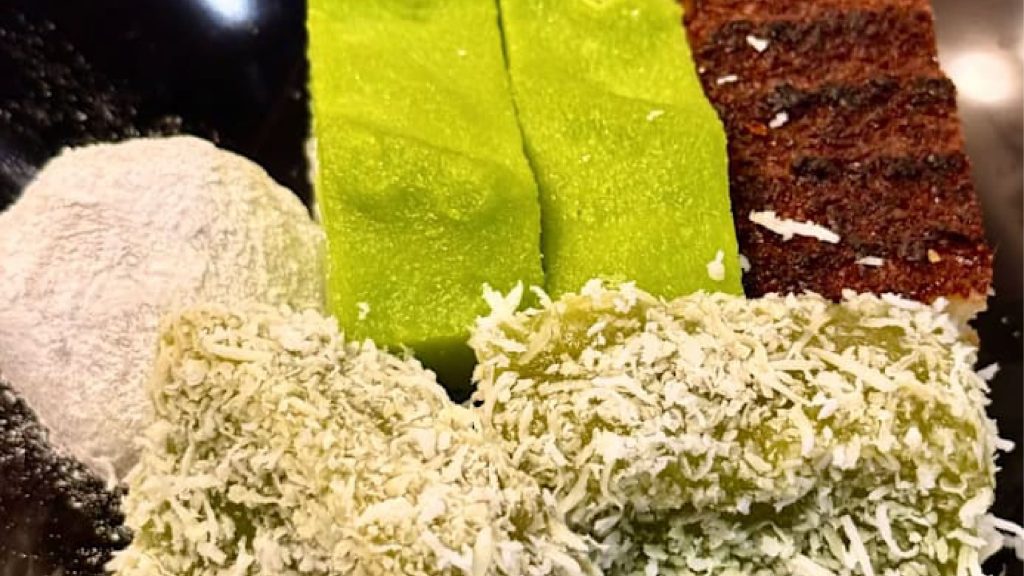
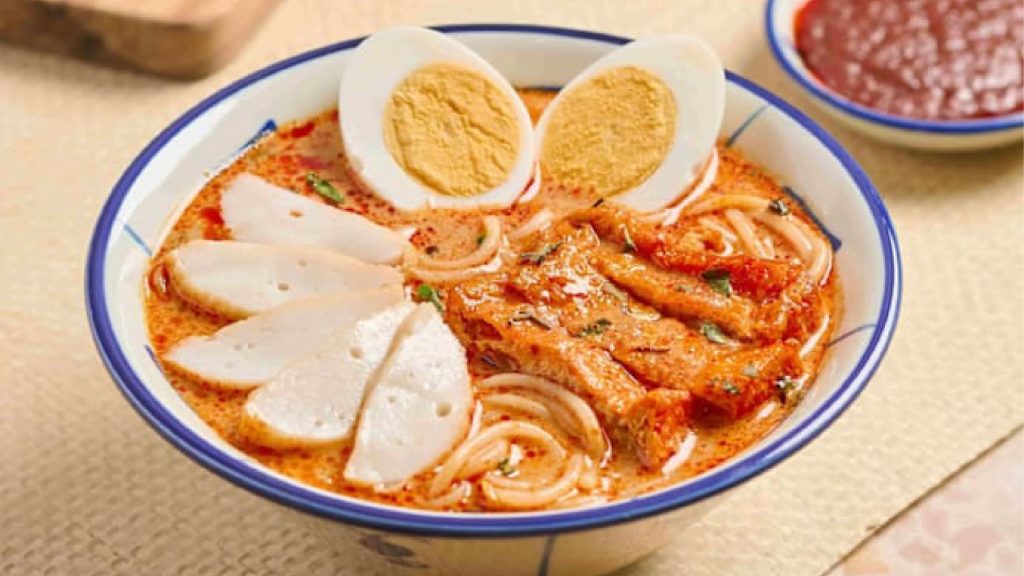
Another crowd favourite is nonya laksa, known for its rich coconut-based broth, aromatic spices, and generous toppings. The stall also offers traditional Peranakan kueh such as kueh salat and ondeh-ondeh, which are prepared using family recipes and traditional techniques.
Despite long queues during peak hours, the waiting time is relatively short, averaging around 10 to 15 minutes. This efficiency is due to streamlined kitchen operations and a menu designed for quick service without compromising on flavour.
Balancing F&B Work and Personal Discipline
Running a food stall in Singapore is physically demanding, especially with long operating hours and manual preparation. The brothers start their day early, preparing ingredients and managing operations until late evening. They also assist with preparing traditional kueh after closing hours, reflecting the labour-intensive nature of Peranakan food.
To maintain their fitness and stamina, they follow strict workout routines and dietary plans. This discipline underscores the demanding lifestyle of modern F&B entrepreneurs, who often juggle long hours with personal health and family commitments.
Education, Experience, and Culinary Skills
Both brothers bring different experiences to the family business. One brother entered the family trade full-time after National Service, while the other studied real estate and gained culinary experience in various restaurants, including fine-dining establishments. This blend of traditional family knowledge and modern culinary training contributes to the stall’s unique positioning.
Peranakan food is known for its complexity and reliance on intuition rather than strict measurements. This culinary heritage requires years of hands-on learning, making family-run Peranakan businesses particularly valuable in preserving traditional techniques.
Family Values and Business Expansion Plans
Family plays a central role in the Nya Nya brand. Parents, siblings, and even the grandmother contribute to the business in different capacities. This multigenerational involvement strengthens authenticity and brand storytelling, which are increasingly important for modern consumers.
Nya Nya is already planning expansion, with additional outlets scheduled to open in other locations across Singapore. This growth strategy reflects rising demand for Peranakan food and the potential for heritage food brands to scale in urban food courts and malls.
Why Peranakan Food Is Trending Among Younger Consumers
Peranakan food stall Wisma Atria is experiencing renewed popularity among younger diners. Social media, food reviews, and heritage storytelling have revived interest in traditional dishes. Younger consumers value authenticity, nostalgia, and cultural identity, making Peranakan food a compelling choice in Singapore’s multicultural dining scene.
Food courts and malls are also evolving to include curated heritage brands, allowing traditional cuisines to reach broader audiences without losing their cultural roots.
Conclusion
Nya Nya at Wisma Atria is more than a viral food stall. It represents the modern evolution of a heritage family business, blending tradition, social media influence, and contemporary food court culture. With its popular nonya laksa, nostalgic nasi kunyit, and handmade kueh, the stall is poised to become a staple for Peranakan food lovers in Singapore. As the brand expands, it highlights how traditional food businesses can thrive in modern retail environments while preserving cultural heritage.
]]>This demographic shift is changing how jewellery is designed, marketed, and consumed. Younger buyers are moving away from traditional luxury logos and instead prioritising personal meaning, authenticity, and everyday wearability. As a result, independent fine jewellery brands are emerging as strong competitors to established heritage houses.
Why Younger Consumers Are Choosing Indie Fine Jewellery
Rising luxury fashion prices and fast-moving trend cycles have encouraged younger consumers to rethink how they spend on luxury. Fine jewellery is increasingly seen as a long-term investment that carries emotional value and longevity. Unlike seasonal clothing, jewellery can be worn daily, passed down, and associated with meaningful life milestones.
Indie fine jewellery brands appeal strongly to this mindset. These brands are often founded by designers with personal stories, strong values, and a desire to create intentional pieces rather than mass-produced designs. Social media has amplified their reach, allowing founders to connect directly with customers through behind-the-scenes content, styling tips, and storytelling.
This direct connection builds trust and loyalty, helping indie fine jewellery brands grow without traditional advertising budgets. Authenticity, transparency, and design originality have become major selling points.
The Rise of Personal Expression in Jewellery
Modern consumers no longer view jewellery solely as a status symbol. Instead, jewellery is becoming a tool for self-expression, identity, and storytelling. Rather than saving for one statement luxury piece, many young buyers are curating layered jewellery wardrobes. Stackable rings, minimalist hoops, diamond studs, and sculptural bangles are now everyday essentials.
These pieces are designed to be worn from morning to night, blending seamlessly with workwear and casual outfits. Craftsmanship and durability remain important, but design and personal relevance often matter more than brand prestige.
Independent brands are responding by creating versatile, modern designs that reflect contemporary lifestyles. Many labels also offer modular or convertible pieces, allowing wearers to style jewellery in multiple ways.
The Bespoke Advantage of Indie Fine Jewellery Brands
One of the biggest advantages indie fine jewellery brands have over global luxury houses is personalisation. Custom commissions and bespoke services are becoming central to their business models. Clients can collaborate with designers to create engagement rings, wedding jewellery, heirloom redesigns, and personalised charms.
This bespoke approach builds deeper relationships between brands and customers. Clients feel emotionally invested in the design process, and designers gain insights that influence future collections. Custom jewellery also appeals to consumers who want pieces that are unique and deeply personal rather than mass-produced.
Challenges Behind the Indie Fine Jewellery Boom
Despite their growing popularity, indie fine jewellery brands face significant challenges. Limited production capacity, high material costs, and slow brand awareness growth are common obstacles. Unlike large luxury houses, indie brands often operate with small teams and tight budgets.
Customer acquisition can be expensive, and educating consumers about pricing and production timelines remains a hurdle. Many buyers still assume indie fine jewellery should be cheaper or faster to produce, not realising that small-batch craftsmanship often requires more time and precision.
However, these constraints also shape the identity of indie brands. Small-scale production allows for greater attention to detail, closer customer relationships, and more intentional design processes. For many founders, the emotional reward of building a brand and celebrating each sale outweighs the challenges.
Four Local Indie Fine Jewellery Brands to Know in Singapore
State Property

State Property is one of Singapore’s most internationally recognised fine jewellery brands. Founded by husband-and-wife duo Afzal Imram and Lin Ruiyin, the brand is known for sculptural and architectural designs that bridge classic and contemporary aesthetics. Its pieces have been worn by global celebrities, positioning it as a standout export from Singapore’s jewellery scene. Prices typically start from around S$750 for a single 14K gold and diamond earring.
Saint Avia

Saint Avia offers modernist solid-gold jewellery designed for everyday wear. Founded by Beatrice Ho and Carys Kwan, the brand focuses on sleek silhouettes, ethically sourced materials, and transparent production. Its Archetypes Collection, inspired by personalities in the founders’ inner circle, has gained popularity among minimalist jewellery lovers. Entry prices start from around S$110 for a single 14K gold hoop earring.
Gen.K Jewelry

Gen.K Jewelry reimagines jade for a younger generation. Founded by sisters Genevie and Kayde Yeo, the brand combines traditional materials with modern design. From contemporary wedding sets to modular charms, Gen.K demonstrates how heritage materials can be integrated into modern lifestyles. Prices start from around S$1,078 for made-to-order jade rings with 14K gold and lab-grown diamonds.
J&Co Jewellery

J&Co Jewellery began as a small Etsy project and has grown into a recognisable minimalist jewellery brand in Singapore. Founder Jenny Kwang built the brand around delicate, wearable 14K gold essentials. Personalisation remains a key feature through its Lettered Muse platform, offering initials, birthstones, and custom charms. Prices start from around S$119 for a single 14K gold hoop earring.
The Future of Indie Fine Jewellery in Singapore
The rise of independent fine jewellery brands signals a broader shift in Singapore’s luxury market. Consumers are increasingly prioritising meaning, craftsmanship, and personal identity over traditional luxury markers. As digital platforms continue to level the playing field, indie brands are likely to gain more visibility and influence.
In a market once dominated by global luxury houses, local designers are carving out their own space with authentic storytelling, thoughtful design, and meaningful customer relationships. Indie fine jewellery is no longer a niche segment. It is becoming a defining force in Singapore’s modern luxury landscape.
]]>Yet, despite their popularity, finding truly good pineapple tarts has become surprisingly difficult. Prices are rising, choices are overwhelming, and quality has become inconsistent. With shortcuts such as factory-made jam and mass production becoming more common, many festive favourites no longer taste like the old-school versions people grew up loving.
For Chinese New Year 2026, a rigorous tasting journey was undertaken to separate genuinely good pineapple tarts from those that simply look festive on the outside.
How the Pineapple Tart Taste Test Was Conducted
A total of 32 pineapple tart brands were sampled, ranging from established household names to boutique bakeries and home-based businesses. All purchases were made anonymously, without sponsorships or special treatment, ensuring a fair and unbiased review.
Each tart was assessed individually based on several core criteria. These included freshness of the pastry, balance between sweetness and tanginess in the pineapple jam, texture, aroma, and the overall harmony between filling and crust. Only original flavours were considered to maintain consistency, and brands that had already closed their festive orders were excluded.
In the end, only eight brands earned a spot on the recommended list. While personal preferences inevitably vary, these selections stood out for delivering quality that justified both their price and calories.
What Makes a Great Pineapple Tart Today
A great pineapple tart is more than just a festive snack. The pastry should hold its shape without crumbling instantly, while still offering a buttery, tender bite. The pineapple jam should be fragrant, slightly fibrous, and gently tangy rather than cloyingly sweet. Most importantly, the ratio between pastry and jam must feel intentional, not excessive in either direction.
While traditional Nonya-style open-faced tarts remain a benchmark, modern interpretations were judged on their own merits. The goal was not nostalgia alone, but honest enjoyment.
The Eight Best Pineapple Tart Brands for Chinese New Year 2026
Bengawan Solo Premium Pineapple Tarts

Among the standout performers, Bengawan Solo Premium Pineapple Tarts impressed with their handcrafted quality and rich butter-forward pastry. Made in limited quantities, these tarts feature generous honey pineapple filling and a refined texture that improves with time. Their popularity and scarcity reflect the labour-intensive process behind them.
TigerMom Kitchen

TigerMom Kitchen emerged as a strong contender in the home-baker category. These aromatic, melt-in-the-mouth pineapple balls showcased excellent balance and freshness, proving that small-batch baking still delivers exceptional results. The slightly soft pastry may divide opinions, but the flavour speaks for itself.
Chu and Co

Chu and Co made a memorable debut with their pineapple balls, combining salted French butter pastry with hand-grated Malaysian pineapple jam. The result is delicate, tangy, and thoughtfully crafted, appealing to those who appreciate subtle complexity.
The Lim’s Kitchen Golden Pineapple Gems

The Lim’s Kitchen Golden Pineapple Gems earned praise for their crumbly shortbread base and punchy pineapple filling developed over several years. With a near-perfect pastry-to-jam ratio, these tarts offer consistency and depth, making them a reliable festive choice.
Joyus Pastries

Joyus Pastries continues to win hearts through sheer consistency. Known for their open-faced pineapple tarts with firm, savoury pastry and chewy jam, they remain a favourite among long-time fans who value tradition over trends.
Nesuto’s Brown Butter Vanilla Pineapple Tarts

Nesuto’s Brown Butter Vanilla Pineapple Tarts stand out for their elegant packaging and refined flavour profile. The pastry is nutty and aromatic, while the pineapple jam remains mild and balanced. These tarts are particularly well-suited for gifting.
Bake Inc Premium Traditional Flower Pineapple Tarts

Bake Inc Premium Traditional Flower Pineapple Tarts showed noticeable improvement this year, with a more balanced jam and a crisp, sable-like pastry. While pricing has increased significantly, the overall flavour profile justifies its inclusion among the recommended eight.
Glory Pineapple Tarts

Glory Pineapple Tarts round out the list as the best value-for-money option. Easily available at supermarkets, these tarts deliver respectable flavour, fresh pastry, and a pleasantly zippy jam at an accessible price point.
Why Many Popular Brands Did Not Make the Cut
Several well-known bakeries and patisseries failed to meet expectations due to overly sweet fillings, stale pastry, or inconsistent quality. While presentation and branding were often attractive, taste ultimately determined the final list. In a year where prices continue to climb, value and flavour mattered more than reputation alone.
Choosing the Right Pineapple Tarts for Your Needs
For gifting, premium brands with attractive packaging and balanced flavours are ideal. For personal indulgence, home bakers and traditional producers often deliver better texture and aroma. Budget-conscious buyers can still find decent options, but expectations should align with price.
Ultimately, the best pineapple tart is one that matches your preference, whether that means crumbly and buttery or firm with a tangy bite.
Final Thoughts on Pineapple Tarts for Chinese New Year 2026
The pineapple tart landscape in Singapore has changed, but quality still exists for those willing to look carefully. While the recommended list may be shorter than expected, it reflects a commitment to honest taste over hype. For Chinese New Year 2026, these eight brands stand out as worthy additions to your festive table.
]]>With competitive pricing, a broad product range, and strong brand visibility, BYD’s rise reflects not only the success of one manufacturer but also the rapid maturation of Singapore’s EV market.
BYD Tops New Car Registrations in 2025

BYD registered a total of 11,184 new vehicles in Singapore in 2025, giving it a commanding 21.2 per cent share of the 52,678 cars registered during the year. This means more than one in five new cars on Singapore roads now carries the BYD badge.
Toyota followed in second place with 7,466 new registrations, while BMW took third with 5,091 vehicles. Despite strong competition from both mass-market and premium brands, BYD’s numbers stood out clearly, underscoring its dominance in a rapidly evolving market.
Industry observers note that this achievement marks a significant shift, as Chinese car brands were once considered niche players in Singapore’s tightly regulated automotive sector.
EV Sales Surge to 45 Per Cent of New Registrations
The broader context behind BYD’s success is Singapore’s accelerating adoption of electric vehicles. In 2025, a record 23,684 EVs were registered, accounting for 45 per cent of all new cars sold. This represents a sharp increase from 2024, when EVs made up 34 per cent of new registrations.
By the end of 2025, the total number of electric vehicles on Singapore roads reached 49,262, or 7.4 per cent of the overall car population. Just a year earlier, EVs accounted for only 4 per cent, highlighting how quickly electrification is reshaping the transport landscape.
Government incentives, improved charging infrastructure, and growing consumer confidence have all contributed to this rapid growth.
Why BYD Is Winning Over Singaporean Buyers

Transport economists and industry experts point to several factors behind BYD’s strong performance. One of the most frequently cited reasons is value for money. Compared to traditional Japanese and Korean mass-market brands, Chinese EVs have gained a reputation for offering more features at competitive price points.
BYD’s extensive lineup is another key advantage. From compact sedans to SUVs and multi-purpose vehicles, the brand covers almost every popular car category in Singapore. This allows it to appeal to a wide range of buyers, from first-time car owners to families upgrading their vehicles.
In addition, BYD’s luxury sub-brand Denza has helped the group capture higher-end segments, bridging the gap between mass-market affordability and premium appeal. This dual-market strategy has strengthened brand perception and expanded its customer base.
Strong Branding and Aggressive Market Presence
Beyond product offerings, BYD’s marketing and distribution strategy has played a crucial role. The brand maintains a strong on-the-ground presence in Singapore, supported by multiple appointed dealers alongside its official distributor. This wide network improves accessibility, visibility, and after-sales confidence for buyers.
Globally, BYD’s reputation has also grown significantly. In 2025, the company overtook Tesla to become the world’s largest EV manufacturer by sales volume. BYD sold approximately 2.26 million EVs worldwide, compared to Tesla’s 1.64 million. This global success has reinforced trust among local consumers who may previously have been cautious about newer automotive brands.
In Singapore, Tesla remains the only other EV brand to feature in the top 10, with 3,476 new registrations last year.
Incentives and Buyer Urgency Fuel Demand
Another factor driving EV sales in 2025 was the impending reduction in government incentives. The EV adoption rebate was reduced from a maximum of S$40,000 in 2025 to S$30,000 in 2026. This change created a sense of urgency among consumers, encouraging many to secure their purchases before incentives decreased further.
Dealers observed a noticeable spike in showroom traffic as buyers rushed to take advantage of higher rebates, particularly for competitively priced models such as those offered by BYD.
Can BYD Maintain Its Market Leadership?
Looking ahead, industry experts believe BYD is well positioned to retain its lead in Singapore, at least in the near term. Its comprehensive product lineup, strong brand awareness, and economies of scale give it a significant advantage over newer entrants.
However, competition is expected to intensify. Japanese and Korean manufacturers are under pressure to introduce more affordable and feature-rich EVs to regain lost ground. At the same time, other Chinese EV brands are gradually entering the Singapore market, though they may need time to build trust and recognition comparable to BYD.
Ultimately, Singapore’s car market will continue to be influenced by global developments, as most automakers make strategic decisions based on international profitability rather than local market share alone.
What BYD’s Rise Means for Singapore Drivers
BYD’s ascent to the top of Singapore’s car sales rankings reflects a broader transformation in how consumers view electric vehicles. EVs are no longer niche or experimental. They are fast becoming the default choice for new car buyers.
For consumers, this increased competition brings more options, better features, and greater price transparency. For the industry, it signals that electrification is no longer a future goal, but a present reality.
]]>The Singapore opening marks an important milestone for the brand’s international expansion and signals its confidence in the maturity of the local cafe culture. Rather than rushing into the market, Elephant Grounds has chosen to enter Singapore at a time when diners value not just what is on the plate, but how a cafe fits into their everyday lives.
From Sheung Wan to Singapore: The Elephant Grounds Story
Elephant Grounds started as a small coffee counter tucked inside a lifestyle store in Sheung Wan, Hong Kong. Over the past decade, it has grown into a household name with eight outlets across prime Hong Kong neighbourhoods, alongside overseas branches in Manila and an upcoming outlet in Jakarta.
According to co-founder Kevin Poon, the brand’s expansion has always been intentional. Elephant Grounds did not come to Singapore simply because it was the next city on a checklist. Instead, the team waited until they felt they could contribute meaningfully to the local cafe ecosystem. Singapore’s evolving dining habits, where cafes double as workspaces, social hubs, and casual dining spots, made the timing feel right.
A Calm, Spacious Cafe in the Heart of the City
Located at Guoco Midtown, the 70-seater Elephant Grounds Singapore occupies a light-filled, glass-walled space previously home to a ramen concept. The interior reflects the brand’s signature aesthetic, combining warm wood tones, soft lighting, and clean lines to create a calm, unhurried atmosphere.
A long tiled counter anchors the space, displaying freshly baked pastries, coffee beans, and a prominent La Marzocco espresso machine. Wooden banquettes, ceiling panels, and greenery visible through the glass walls add to the tranquil vibe. Subtle messages printed on the pillars encourage diners to slow down and stay present, reinforcing the brand’s mindful philosophy.
In a city where cafes are often cramped and time-limited, Elephant Grounds’ spacious layout feels deliberately refreshing.
A Menu Designed for Singapore’s Daily Rhythm
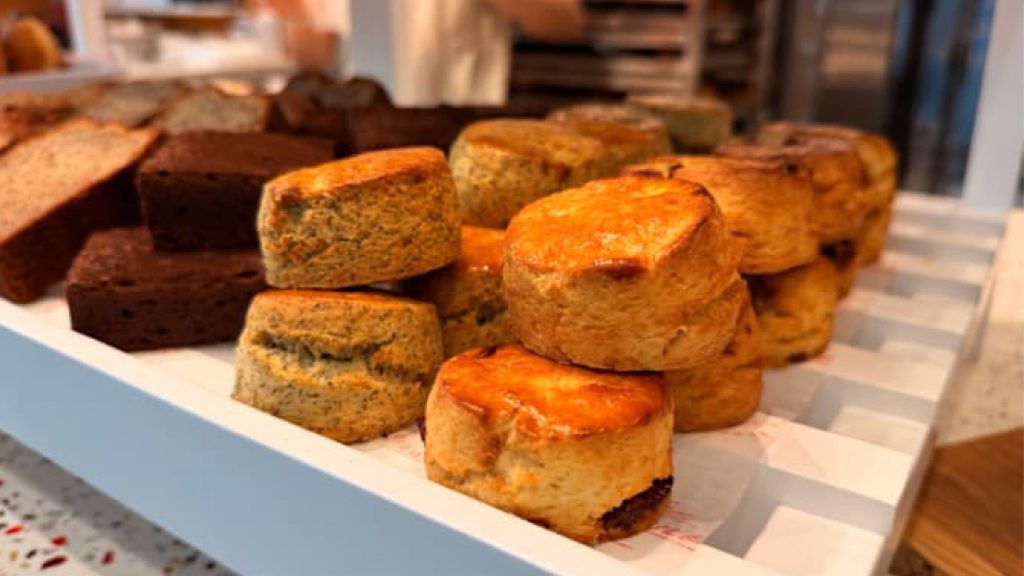
Rather than reinventing itself for Singapore, Elephant Grounds adapted its menu to suit how locals move through their day. The cafe operates with clearly defined menus across different day parts, allowing it to cater to a wide range of dining occasions.
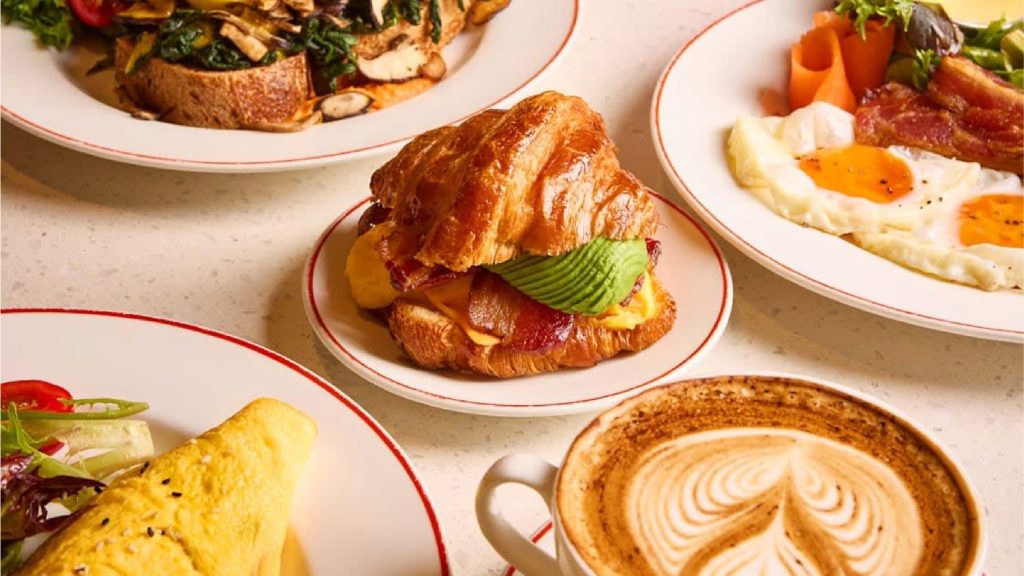
From 8am to 11am, the breakfast menu features familiar favourites such as omelettes, granola, pancakes, and hearty sandwiches. From 11am onwards, the all-day menu takes over with more substantial offerings including donburis and sharing plates. On weekends, a dedicated brunch menu blends the highlights of both weekday menus into a streamlined selection of savoury and sweet dishes.
This thoughtful structure allows the cafe to transition smoothly from morning coffee spot to lunch destination and afternoon meeting place.
Specialty Coffee Takes Centre Stage
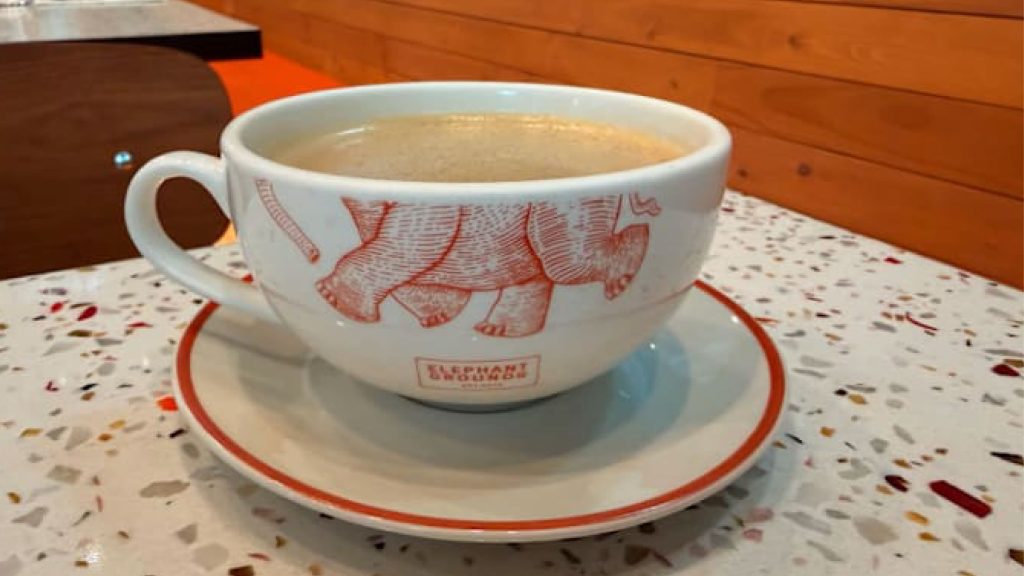
Coffee remains a core pillar of Elephant Grounds Singapore. The Singapore outlet serves house-blend beans sourced directly from the award-winning Ijen Lestari farm in East Java, roasted locally for freshness. The cafe also offers mocha drinks made with Valrhona chocolate, reflecting its commitment to premium ingredients.
One notable detail is portion size. Coffee cups start at 10 ounces, which is larger than the standard serving at many specialty cafes. This approach aligns with Elephant Grounds’ philosophy of generosity and value, appealing to customers who linger over their drinks.
Beyond classic espresso-based options, the menu includes specialty drinks such as Bulletproof coffee, catering to health-conscious diners looking for sustained energy without a heavy breakfast.
Singapore-Exclusive Dishes and Elevated Cafe Fare
While the core Elephant Grounds menu remains consistent globally, the Elephant Grounds Singapore outlet introduces exclusive items, starting with a Chicken Parm sandwich available only at this location. More local exclusives are expected in future menu updates.
The food leans towards familiar cafe staples, elevated through careful execution and quality ingredients. The culinary direction benefits from the expertise of the group’s Hong Kong-based culinary team, led by chefs with fine-dining backgrounds from internationally acclaimed kitchens. This influence is evident in the balance of flavours, thoughtful plating, and refined comfort food approach.
Pastries such as lemon croissants and savoury danishes complement the savoury menu, making the cafe suitable for both quick visits and extended meals.
Why Elephant Grounds Matters to Singapore’s Cafe Scene
The arrival of Elephant Grounds Singapore is significant not just because of its brand recognition, but because of what it represents. It reflects a shift in Singapore’s cafe culture towards spaces that prioritise comfort, flexibility, and everyday relevance. Elephant Grounds positions itself as more than a coffee stop. It aims to be part of daily routines, whether for breakfast, work sessions, casual meetings, or weekend brunch.
By focusing on experience, pacing, and consistency rather than novelty alone, Elephant Grounds enters Singapore with a clear long-term vision.
]]>Available from January 15 to March 1, this seasonal menu reflects a growing trend among diners who crave heat, depth, and complex spice profiles in familiar comfort foods. By blending Sichuan influences with Pizza Hut’s signature offerings, the brand aims to deliver a fresh experience that feels both exciting and approachable.
The Star Attraction: Sichuan Roasted Chicken Pizza
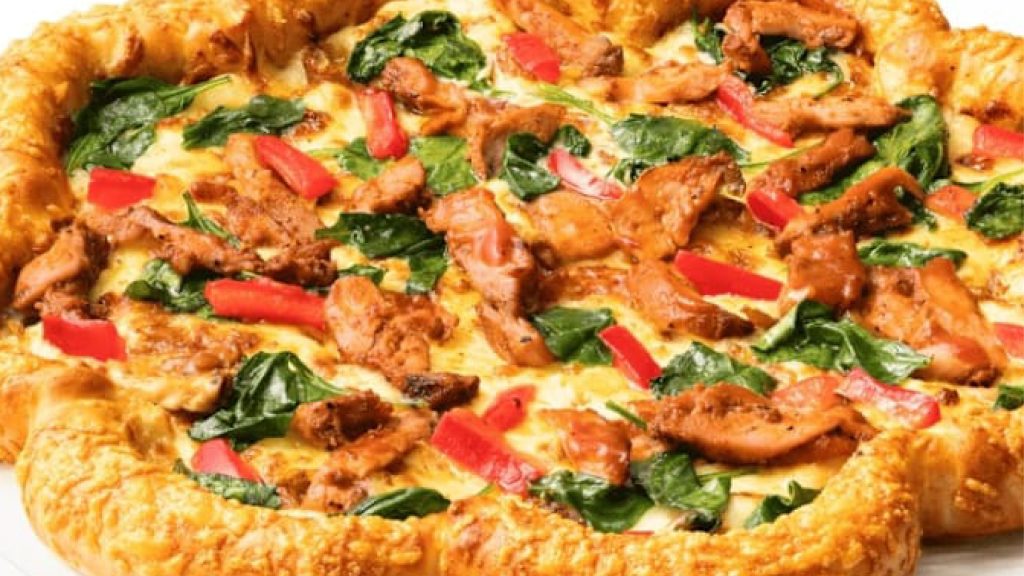
At the heart of the Pizza Hut Singapore Season of Spice menu is the Sichuan Roasted Chicken Pizza, a bold reinterpretation of classic pizza with unmistakable Chinese spice influences. Inspired by Chuan Chuan, the popular Sichuan street food known for grilled skewers dusted in spices, this pizza brings smoky, savoury flavours straight to the table.
The pizza features cumin-spiced roasted chicken layered with vegetables and cheese, all resting on a red peppercorn-based sauce that adds a distinctive zing. Each bite delivers a gradual heat that builds without overwhelming, making it appealing even to diners who are new to Sichuan flavours.
Completing the experience is Pizza Hut’s iconic cheese-stuffed Blossom Crust. The creamy cheese centre balances the spice, creating a satisfying contrast between rich comfort and fiery intensity. This thoughtful combination is designed to keep diners coming back for more.
Expanding the Heat: Sichuan-Inspired Sides and Mains
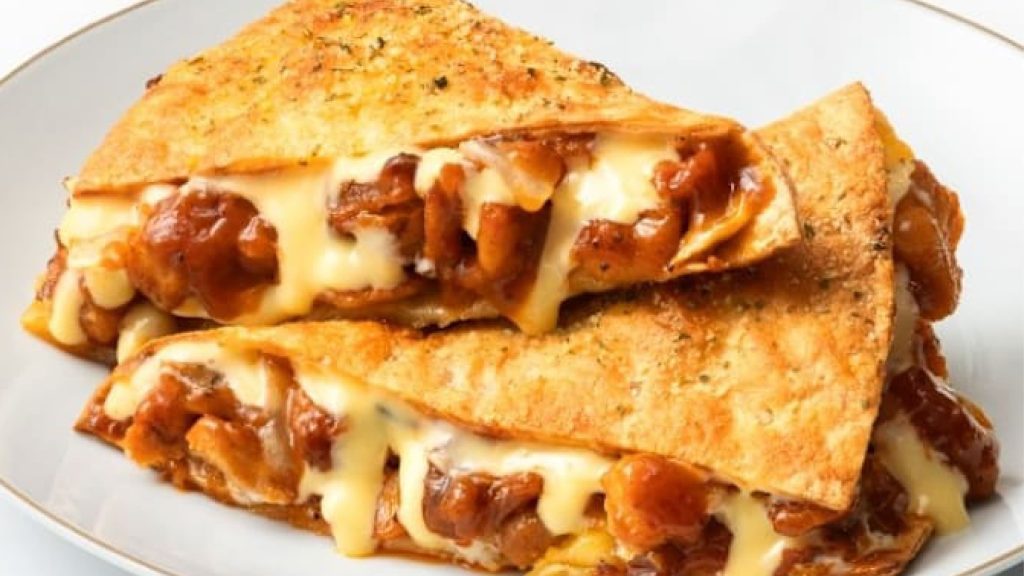
Pizza Hut Singapore has extended the Season of Spice concept beyond pizza, introducing a range of mala-inspired sides and mains that cater to different appetites and spice tolerance levels.
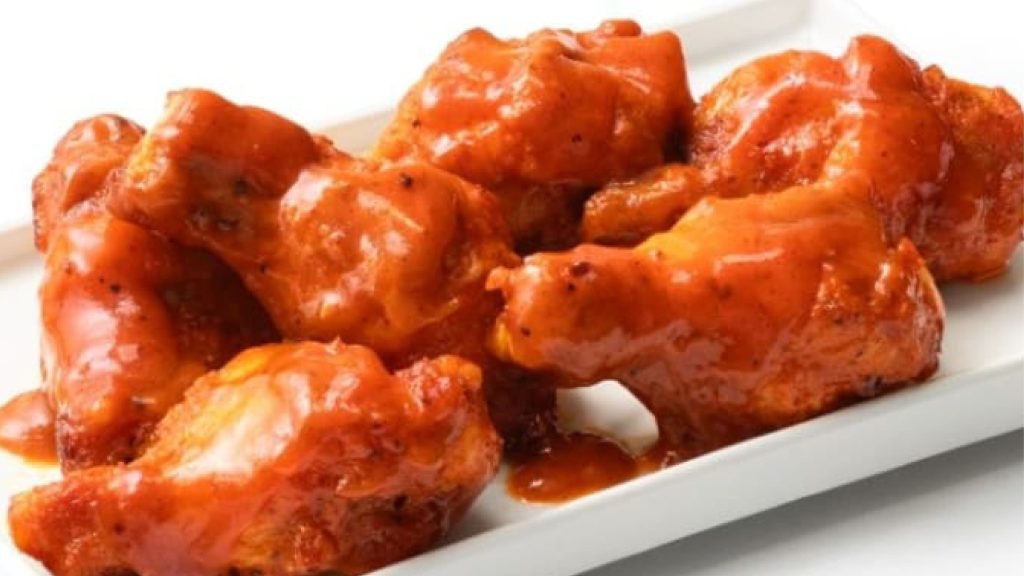
One highlight is the Flamin’ Mala Melts, which feature crispy golden pockets filled with tender chicken and molten cheese. These are paired with a smoky mala sauce that delivers a punch of flavour in a compact, snackable form.
For those who prefer classic finger food, the Mala Fire Drumlets offer a spicy twist on a familiar favourite. Coated in mala seasoning, these drumlets provide a fiery kick that works well as a sharing dish or an add-on to any meal.
The menu also includes heartier options such as the Cumin Chicken Baked Rice. This dish combines fluffy pilaf rice with cumin-marinated chicken, layered with mala sauce and cheese for a satisfying, oven-baked finish. Similarly, the Cumin Chicken Mac and Cheese blends creamy comfort with aromatic spices, offering a fusion dish that appeals to adventurous eaters.
Limited-Time Deals Make the Heat More Tempting
To encourage diners to try the new Season of Spice menu, Pizza Hut Singapore is rolling out a series of launch promotions. From January 15 to January 28, customers can enjoy a regular Sichuan Roasted Chicken Pizza at a special price of S$14.90. This offer applies across dine-in, takeaway, and delivery, making it accessible regardless of how customers choose to enjoy their meal.
For dine-in guests, set menus start from S$14.90 per person, offering a value-driven way to explore multiple items from the new menu. Those opting for delivery or self-collection can take advantage of bundle deals starting from S$9.60 per person, ideal for group meals or family gatherings.
In addition, Hut Rewards members receive exclusive perks during the promotional period. From January 15 to March 1, members can redeem the Flamin’ Mala Melts for just 80 Hut Reward Slices, reinforcing the value of loyalty rewards.
Availability Across Singapore
The Season of Spice menu will be available at all Pizza Hut Singapore outlets, ensuring islandwide access for fans eager to try the new flavours. Customers can enjoy the menu through dine-in, takeaway, self-collection, or delivery, offering flexibility for different dining preferences.
As Singaporeans continue to embrace bold, spice-forward cuisines, Pizza Hut’s latest launch positions the brand at the intersection of global flavour trends and local taste preferences. The limited-time nature of the menu also adds urgency, encouraging diners to experience it before it disappears.
Why This Launch Matters to Singapore Diners
This new menu reflects more than just a seasonal offering. It highlights how mainstream food brands are adapting to evolving consumer tastes, particularly the popularity of mala and Sichuan flavours in Singapore. By integrating these flavours into familiar formats like pizza, baked rice, and pasta, Pizza Hut lowers the barrier for experimentation while keeping comfort at the forefront.
For spice enthusiasts and casual diners alike, the Season of Spice menu offers a timely and flavour-packed experience that aligns with Singapore’s dynamic food culture.
]]>With its arrival, Singapore’s competitive food and beverage scene gains a new international player known for bold flavours, distinctive burgers, and cult-favourite sides. The opening is set to draw attention not only from Korean food enthusiasts, but also from travellers and locals looking for something different from the usual fast-food offerings.
Why Lotteria’s Entry Matters in Singapore

Singapore is no stranger to global food brands, yet Lotteria’s debut stands out for several reasons. Unlike many Western fast-food chains, Lotteria has built its reputation on flavours inspired by Korean tastes and Asian palates. Lotteria Singapore makes its menu particularly appealing to Singaporeans who enjoy savoury, umami-rich dishes.
Founded in 1979, Lotteria has grown into a household name in South Korea and across parts of Asia. Its expansion into Singapore signals confidence in the local market and reflects the growing demand for Korean-inspired dining experiences beyond traditional Korean barbecue and street food.
Location and Opening Details
Lotteria Singapore will be located at Basement 1 of Jewel Changi Airport, one of the country’s most popular lifestyle destinations. Jewel’s mix of retail, dining, and attractions makes it an ideal launchpad for a brand entering Singapore for the first time.
The outlet is scheduled to open daily from 10am to 10pm, offering convenience for both airport visitors and locals. Whether it is a quick meal before a flight or a casual lunch during a shopping trip, the location ensures high visibility and accessibility.
What to Expect on the Menu

At its Singapore outlet, Lotteria Singapore will be serving a range of its well-known menu items that have earned loyal fans overseas. Diners can look forward to signature burgers such as Ria’s Bulgogi Burger, which features a sweet and savoury beef patty inspired by Korean bulgogi flavours.
Another crowd favourite making its way to Singapore is Ria’s Shrimp Burger, known for its crispy seafood patty and light, satisfying taste. These burgers reflect Lotteria’s strength in offering alternatives to standard beef and chicken fast-food options.
In addition to burgers, the menu will include popular sides like Long Cheese Sticks, Shake Shake Fries, and Shake Shake Nuggets. These items have become staples for Lotteria fans and add variety to the overall dining experience.
Singapore-Exclusive Burger Launch
One of the biggest highlights of the opening is the introduction of a Singapore-exclusive burger. While details of the burger have yet to be fully revealed, the announcement has already generated excitement among food lovers.
Exclusive menu items often reflect local tastes, suggesting that Lotteria Singapore has tailored this burger specifically for the Singapore market. This strategy not only creates buzz but also encourages repeat visits from diners eager to try something unique that cannot be found elsewhere.
Opening Promotions to Look Forward To
To celebrate its debut, Lotteria Singapore is offering a limited-time promotion from February 11 to 13. During this period, customers can enjoy a free upgrade on their combo meals.
Opening promotions like this are expected to draw large crowds, especially during the first few days. For those planning to visit, arriving earlier in the day may help avoid peak-hour queues.
Partnership with Katrina Group
Lotteria Singapore is operated in collaboration with Katrina Group, a well-established hospitality group in Singapore. Katrina Group manages several recognised food and beverage brands, including Bali Thai, Streats, and So Pho.
This partnership brings local operational expertise and ensures that the brand is well-positioned to meet Singapore’s high standards for service, food quality, and consistency.
Lotteria’s Global Expansion Journey
The Singapore outlet represents Lotteria’s seventh overseas location, underscoring its growing international footprint. In recent months, the brand has opened new outlets in the United States and Malaysia, signalling an aggressive expansion strategy beyond its traditional markets.
By choosing Singapore, Lotteria Singapore is entering a highly competitive yet influential food scene, often seen as a gateway to broader Southeast Asian expansion.
Conclusion: A New Player in Singapore’s Fast-Food Scene
Lotteria’s opening at Jewel Changi Airport marks an exciting addition to Singapore’s dining landscape. With its Korean-inspired burgers, exclusive menu offerings, and strategic location, the brand is well-positioned to attract both curious first-timers and loyal fans.
As February 11 approaches, all eyes will be on how Lotteria Singapore is received by Singapore diners and whether it can carve out a lasting place in one of Asia’s most competitive food markets.
]]>