Choosing the best savings account Singapore offers in 2026 requires careful comparison of interest rates, fees, minimum balances, and digital banking features. Over the past few years, the financial landscape has evolved rapidly as digital bank Singapore institutions entered the market alongside traditional banks.
Consumers today have more choices than ever before, with some accounts offering tiered interest structures that reward higher balances or specific financial behaviors. This guide compares the highest interest rate Singapore savings accounts, explains risk protection under SDIC, and outlines strategies to maximize returns on your savings.
The Rise of Digital Banks in Singapore
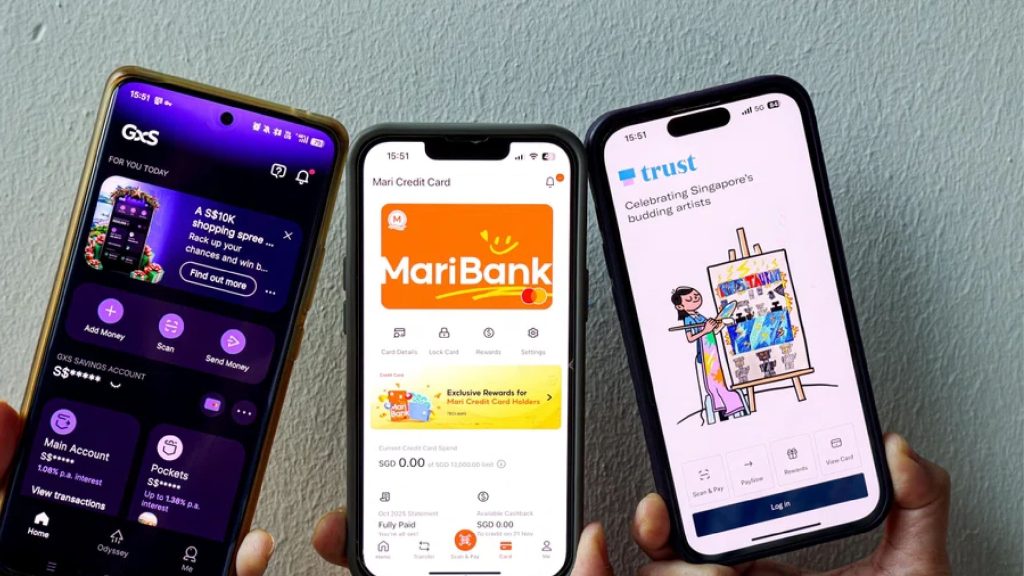
Singapore’s banking industry has expanded beyond traditional financial institutions. In recent years, the Monetary Authority of Singapore granted digital banking licenses to new players, increasing competition and improving savings account interest offerings.
Digital banks operate primarily through mobile apps without physical branches. Their lower operating costs allow them to offer competitive interest rates and fewer service fees.
Key advantages of digital banks include faster account opening, simplified user interfaces, and competitive savings yields. Traditional banks, however, still dominate in areas such as lending services and wealth management.
More information about digital bank regulation can be found on the Monetary Authority of Singapore website at https://www.mas.gov.sg.
Traditional Banks vs Digital Banks
Understanding the differences between traditional and digital bank Singapore services helps consumers choose the right savings account.
Traditional banks typically offer integrated financial services including loans, credit cards, and investment portfolios. Their savings accounts often use tiered interest systems that reward salary crediting, card spending, or bill payments.
Digital banks focus on simplicity and higher base interest rates without complex requirements. Many digital accounts have minimal fees and no minimum balance requirements.
Traditional banks provide stability and broad financial services, while digital banks appeal to tech savvy users who want higher yields and streamlined banking experiences.
Comparison Table: Best Savings Accounts Singapore 2026

The following table provides a simplified comparison of several savings account types available in Singapore.
Bank Type | Interest Rate Range | Minimum Balance | Monthly Fees
Traditional bank high interest account | 1.5 percent to 4.0 percent depending on conditions | S$1,000 to S$3,000 | Usually waived if requirements met
Digital bank savings account | 2.0 percent to 3.5 percent base rate | Often no minimum balance | Typically zero monthly fees
Basic savings account | 0.05 percent to 0.5 percent | S$500 to S$1,000 | Small maintenance fee possible
Interest rates change periodically, so reviewing updated rates from official bank websites is recommended.
For example, you can review current savings account information from major banks such as DBS at https://www.dbs.com.sg/personal/deposits/savings-accounts and OCBC at https://www.ocbc.com/personal-banking/deposits.
Understanding Risk Protection Through SDIC
When choosing the best savings account Singapore residents should also consider deposit protection.
The Singapore Deposit Insurance Corporation protects bank deposits held with participating institutions. Each depositor is insured up to S$75,000 per bank in the event of a bank failure.
This protection covers standard deposit products such as savings accounts and fixed deposits. It does not apply to investment products, structured deposits, or foreign currency investment instruments.
SDIC protection ensures that even if a financial institution encounters problems, depositors have a safety net.
More details can be found on the official SDIC website at https://www.sdic.org.sg.
Strategies to Maximize the Highest Interest Rate Singapore Banks Offer
Many savings accounts advertise high interest rates, but the maximum rate is often achievable only when certain requirements are met.
One common strategy is salary crediting. Several banks offer bonus interest when customers deposit their monthly salary into the account.
Another strategy involves card spending. Some accounts increase interest rates when a minimum monthly credit card spending threshold is reached.
Bill payment services also contribute to interest bonuses. Linking utility or subscription payments to a savings account can unlock additional interest tiers.
Finally, maintaining a higher balance may increase interest rates in tiered accounts. However, it is important to calculate whether the incremental yield justifies holding large amounts in cash rather than investing elsewhere.
For a detailed explanation of savings strategies, refer to financial education resources such as https://www.investopedia.com/articles/pf/09/high-yield-savings-account.asp.
Case Simulations for Savings Growth
To better understand potential returns, consider the following simplified examples.
Example 1: S$10,000 Savings
If S$10,000 is deposited in an account with an average interest rate of 2.5 percent annually, the yearly interest would be approximately S$250.
This level of savings typically benefits from accounts that offer competitive base interest rates without requiring complex conditions.
Example 2: S$50,000 Savings
With S$50,000 in a savings account earning 3 percent annually, total interest could reach around S$1,500 per year.
Some tiered savings accounts provide higher interest rates for balances within specific ranges, making mid level savings particularly advantageous.
Example 3: S$100,000 Savings
At S$100,000 and an average annual interest rate of 3.5 percent, yearly interest income could reach approximately S$3,500.
However, deposit insurance coverage limits should be considered. Since SDIC protects up to S$75,000 per bank, spreading funds across multiple institutions can reduce risk exposure.
Additional Factors to Consider When Choosing a Savings Account
Interest rates are important, but they should not be the only factor when selecting a best savings account Singapore.
Digital banking features can significantly improve user experience. Mobile applications that support instant transfers, spending analysis, and automated savings tools provide additional value.
Customer service quality also matters, especially when dealing with large balances or complex transactions.
Finally, consider integration with other financial services. Some traditional banks provide higher interest rates when customers hold multiple products such as credit cards, insurance policies, or investment accounts.
Tips for Choosing the Best Savings Account Singapore Residents Can Use
Evaluate whether you prefer digital convenience or traditional banking support.
Compare both base interest rates and maximum promotional rates.
Check minimum balance requirements to avoid unnecessary monthly fees.
Confirm that the bank participates in SDIC deposit insurance.
Diversify large deposits across multiple institutions if balances exceed insurance limits.
Conclusion
The search for the best savings account Singapore offers in 2026 has become more complex due to the growing presence of digital bank Singapore institutions and evolving interest rate structures. While traditional banks remain dominant in the financial ecosystem, digital banks have introduced competitive alternatives with attractive interest rates and streamlined mobile banking experiences.
For savers looking to achieve the highest interest rate Singapore banks provide, understanding bonus interest tiers, deposit insurance coverage, and account conditions is essential. By comparing available options carefully and structuring deposits strategically, individuals can significantly increase the return on their savings while maintaining financial security.